 EN
EN


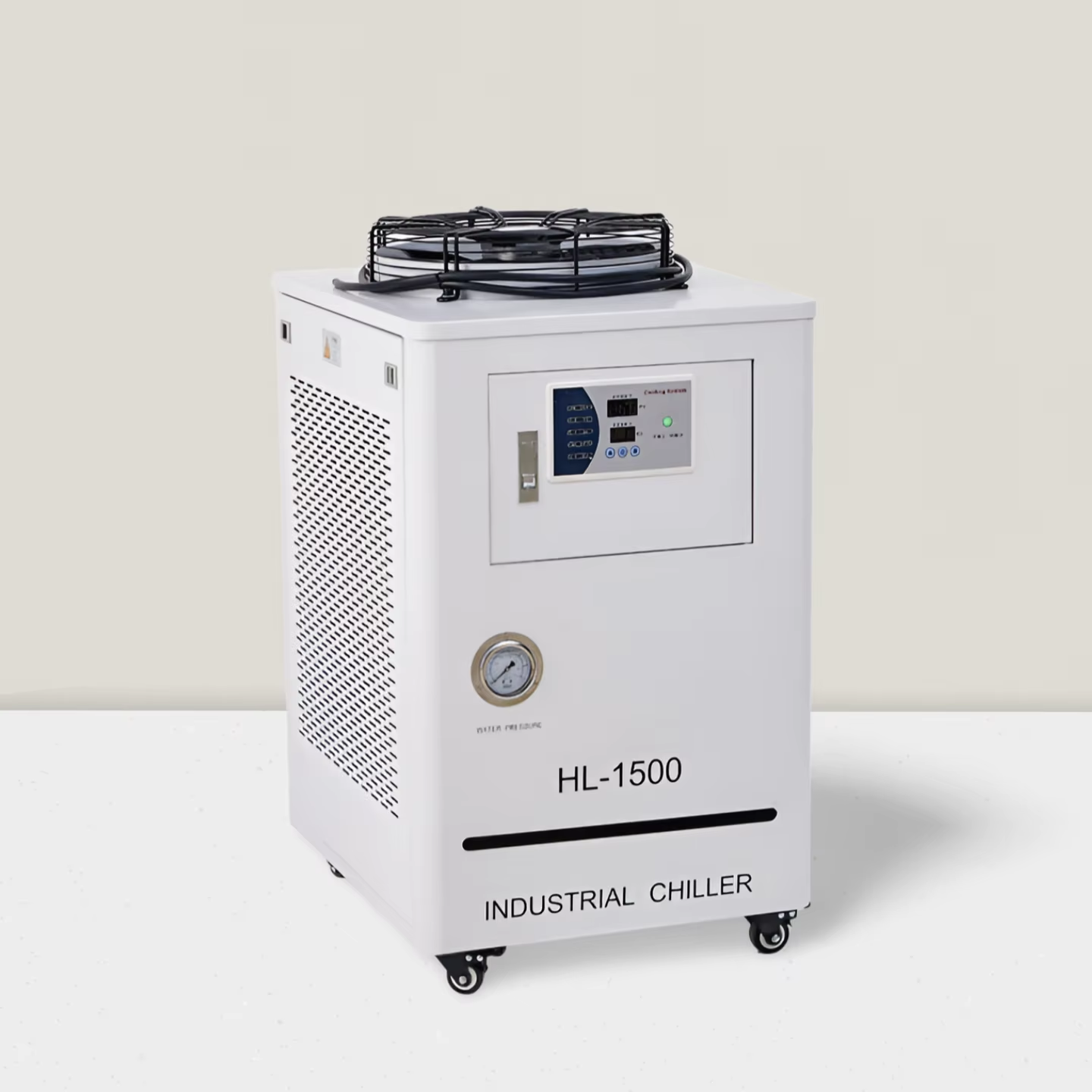
Why Commercial Cold Plunge Chillers Are Essential Infrastructure for Gyms and Wellness Centers
Beyond Ice Baths: Engineering Requirements for Safe, Scalable, and Code-Compliant Cold Water Therapy
Regular ice baths just don't cut it when it comes to precision, consistency or safety in professional settings. Commercial operations require industrial chillers that can keep water temps below 10 degrees Celsius with a margin of error around half a degree. Sports medicine studies back this temperature range as effective therapy, something regular ice packs simply cannot achieve over time. The equipment needs to handle way more usage too—about fifteen times what home models manage daily—and still meet strict sanitation rules from local health authorities. Look at NSF/ANSI 50 certification specifically for water treatment gear. Gyms that skip these proper systems end up running afoul of regulations. Last year alone, almost half (that's 42%) had some sort of sanitation problem flagged during inspections per the Global Wellness Institute report from earlier this year.
Key Differences Between Residential and Commercial Cold Plunge Chillers: Capacity, Durability, and Regulatory Standards
Commercial-grade chillers differ fundamentally from consumer models across three pillars:
- Capacity & Performance: Built for 50+ daily users, commercial units use industrial compressors to cool 500–1,500L water volumes; residential models serve ≤3 users and hold under 300L.
- Durability: Constructed from stainless steel or marine-grade polymers, they resist corrosion from continuous sanitizer exposure—unlike plastic residential tanks, which degrade and harbor biofilm.
- Compliance: Integrated OSHA-compliant safety cutoffs, UL-listed components, and automated water quality monitoring are standard—omissions linked to 71% of gym chiller failures in 2023 (Facility Management Journal).
Without industrial-grade engineering, facilities face accelerated wear, elevated pathogen risk, and penalties exceeding $25,000 per violation (OSHA 2024 penalty data).
Precision Temperature Control and Filtration: Core Performance Drivers of a Reliable Cold Plunge Chiller
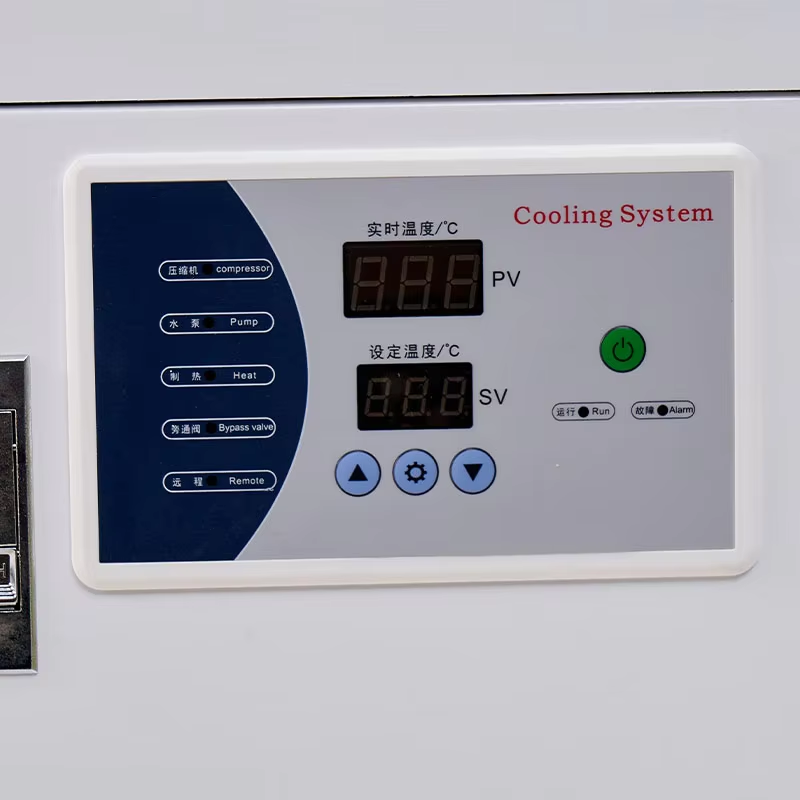
Maintaining Sub-10°C Stability with ±0.5°C Tolerance for Evidence-Based Athletic Recovery
Getting the right temperature is really important for treatment effectiveness. When water stays below 10 degrees Celsius and maintains stability within half a degree, it consistently causes blood vessels to narrow, lowers inflammation levels, and helps muscles recover after workouts. These effects have been confirmed through research published in scientific journals about cold water therapy. Modern equipment like industrial strength compressors and efficient heat exchange systems allow for immediate temperature corrections whenever there's any change. Traditional methods relying on ice tend to fluctuate much more dramatically, sometimes varying by five degrees or greater. This instability raises the risk of frostbite and generally leads to worse results from the treatment. Maintaining consistent temperatures makes it possible to run controlled therapy sessions safely, allowing cells to adapt properly without putting users in danger during the process.
Integrated UV + Micron Filtration: Eliminating Biofilm and Ensuring Hygiene in High-Use Facilities
In shared environments where multiple people use the same system, multi-stage filtration simply cannot be ignored. When we combine UV-C light treatment with mechanical filters under 20 microns, we're talking about eliminating nearly all harmful microorganisms including those pesky biofilm formers. This becomes really important in facilities with over fifty daily users. The UV reactors work their magic by messing up microbial DNA as water circulates through the system. At the same time, those tiny micron filters grab organic particles before they have a chance to stick around and cause problems in pipes or pump areas. Facilities using this two-pronged strategy report cutting down on biofilm maintenance expenses by roughly thirty percent compared to older single filter setups. Plus, nobody has to deal with the hassle of manually cleaning everything out anymore. And best of all? The whole thing runs quietly in the background without interrupting normal operations.
Installing and Operating a Cold Plunge Chiller: Space, Utility, and Workflow Integration
Installing commercial cold plunge chillers requires careful thought if we want safe operation, good efficiency, and something that lasts over time. Most units need special electrical setup. They typically run on 208/240 volts with GFCI protection built in. Regular home outlets just won't cut it for these machines, so getting a qualified electrician involved is absolutely necessary. When it comes to building specs, check what the floor can handle since these things get pretty heavy when running. We're talking well over 500 pounds according to HVAC standards. Make sure there's at least three feet of space all around the unit for proper airflow and easy servicing. This isn't just about keeping things cool, but also meeting safety codes. Place the chiller close to water sources and drains whenever possible. Makes sense right? Less complicated plumbing means fewer headaches down the road, especially when regular water changes become part of routine maintenance. Put the machine somewhere convenient next to recovery areas, but don't block walkways either. People need to move through without tripping over equipment. Clear signage helps everyone know where they stand. And finally, plan maintenance work during times when the facility isn't busy. Keeps treatments available while making sure the equipment stays in top shape longer.
Safety, Compliance, and Risk Management for Cold Plunge Chiller Deployment
Mandatory Health Screening, Acclimatization Protocols, and Facility-Level Safeguards
Cold plunge chiller installations need more than just good equipment they also require solid safety protocols focused on people. Before anyone gets into the water, we run mandatory health checks to screen out folks who might have issues like high blood pressure that's not under control, heart problems, or conditions like Raynauds phenomenon. The process starts slowly too. We bring newcomers down from around 15 degrees Celsius gradually over five supervised sessions until they can handle temperatures below 10 degrees without problems. Our facilities keep staff ratios at least one trainer per eight users at all times. Emergency gear like AEDs and warm blankets are always within reach, and our systems beep loudly when time is up for each session. Operators need to follow OSHA rules for cleanliness and local health regulations strictly. Monthly checks ensure filters work properly and catch any early signs of biofilm buildup especially important in places where lots of people use the chillers regularly.
FAQ Section
-
What are the main differences between residential and commercial cold plunge chillers?
Commercial-grade chillers are built for higher capacity, superior durability, and include integrated compliance features, differing fundamentally from residential models in terms of performance and regulatory adherence.
-
Why is it important to maintain a specific temperature range in cold plunge therapy?
Maintaining a sub-10°C stability with ±0.5°C tolerance is crucial for effective athletic recovery, helping in vascular constriction, inflammation reduction, and muscle recovery post-exercise.
-
How do commercial cold plunge chillers ensure hygiene?
Commercial units incorporate integrated UV and micron filtration systems that effectively remove harmful microorganisms, ensuring sanitation in high-use facilities.
-
What are the safety protocols involved in operating a cold plunge chiller?
Essential safety measures include health screenings, acclimatization protocols, facility-level safeguards, and adherence to OSHA and local health regulations to ensure user safety.
Table of Contents
- Why Commercial Cold Plunge Chillers Are Essential Infrastructure for Gyms and Wellness Centers
- Precision Temperature Control and Filtration: Core Performance Drivers of a Reliable Cold Plunge Chiller
- Installing and Operating a Cold Plunge Chiller: Space, Utility, and Workflow Integration
- Safety, Compliance, and Risk Management for Cold Plunge Chiller Deployment