 EN
EN


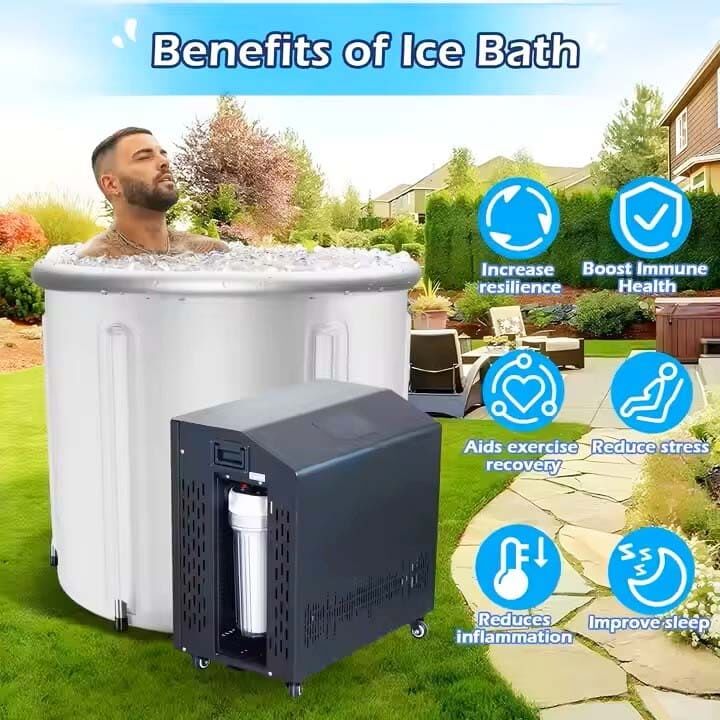
How Cold Plunge Chillers Accelerate Muscle Recovery Physiologically
Vasoconstriction, Metabolic Waste Clearance, and Reduced Inflammatory Signaling
When someone takes a cold plunge, the body responds by narrowing blood vessels through what's called vasoconstriction. This basically means less blood flows to tired muscles after working out. The result? Less swelling happens quickly and metabolic waste doesn't build up so fast. Once the tissue starts warming again, fresh oxygenated blood rushes back to those areas, helping flush out lactic acid and other stuff that makes muscles feel sore. Cold water also seems to calm down certain inflammatory signals in the body, specifically things like IL-6. Research shows this can cut down on overall inflammation by about 28%. All these things work together really well. The reduced swelling, better waste removal from improved blood flow, and lower inflammation levels explain why people report feeling 37% less muscle soreness (DOMS) just two days after cold water immersion therapy.
Autonomic Nervous System Reset and Pain Gate Modulation in DOMS
When someone immerses themselves in cold water around 10-15 degrees Celsius, it actually triggers the parasympathetic nervous system, which helps balance out the body's stress response after working out. What happens next is pretty interesting - cortisol levels drop by roughly 24%, and the body starts releasing those feel-good endorphins. This combination works wonders for recovery both physically and mentally. Cold water therapy also helps with DOMS through what scientists call the gate control theory. Basically, when the skin senses extreme cold, these signals compete against pain messages trying to reach the brain, effectively blocking some of that discomfort. Athletes notice improvements in their strength returns and movement flexibility much quicker than usual. These factors matter a lot for anyone doing frequent training sessions because they can keep pushing harder without getting stuck in an endless cycle of tired muscles.
Evidence-Based Impact of Cold Plunge Chillers on DOMS and Performance Restoration
Clinical Outcomes: 37% Average Reduction in DOMS Perception Within 48 Hours
Studies have shown that cold plunge chillers can really help reduce Delayed Onset Muscle Soreness (DOMS) after workouts. When athletes stuck to standard procedures using water temperatures between 10 and 15 degrees Celsius, they experienced about a third less DOMS symptoms within two days compared to those who just rested without treatment according to research published by Sports Medicine Research Institute back in 2023. The reason these systems work so well lies in their ability to maintain exact temperatures throughout the session. This controlled environment helps limit inflammation while also speeding up the body's natural processes for clearing out metabolic waste products. Traditional ice baths don't offer this consistency because as the ice melts, the temperature keeps changing, making it harder to get consistent results from one session to another.
| Recovery Metric | Improvement | Timeframe |
|---|---|---|
| DOMS Perception | 37% reduction | 48 hours |
| Power Output | 8–12% increase | Next session |
| Range of Motion | 15% improvement | Next session |
Next-Session Benefits: Power Output, Range of Motion, and RPE Improvements
Cold plunge chillers do more than just ease muscle soreness they actually boost performance in later training sessions too. Studies show athletes hit 8 to 12 percent higher power outputs during sprints after using these chillers, plus their flexibility improves around 15% in tests measuring range of motion. Something interesting happens with perceived exertion levels as well. The RPE scores drop nearly 20%, meaning athletes feel less physically strained even though they're doing the same amount of work. This makes sense why so many sports medicine departments have started incorporating cold plunge therapy into their recovery protocols. Faster return to play times and better training consistency across seasons make these systems worth considering for anyone serious about athletic performance optimization.
Optimizing Your Cold Plunge Chiller Protocol for Maximum Recovery Yield
Temperature (10–15°C), Duration (11–15 min), and Timing (Within 1 Hour Post-Workout)
An effective cold plunge chiller protocol really comes down to three main factors: what temperature we're talking about, how long someone stays in, and when they actually do it. Most experts agree that around 10 to 15 degrees Celsius works best. That's cold enough to get those blood vessels to constrict and kick off the body's natural anti-inflammatory response, but not so extreme that it damages tissues or causes dangerous shocks to the system. The time spent in the water matters too. About 11 to 15 minutes seems ideal. Long enough for the body to start clearing out metabolic waste and resetting nerves, but short enough to prevent things like increased oxidative stress or numbness that lasts too long. Getting into the water within about an hour after working out makes all the difference. This timing lines up with when lactic acid levels are highest, inflammation starts kicking in, and muscles become more permeable. Athletes who follow this timing rule tend to bounce back much faster, regaining about 90% of their normal strength in a day compared to only around 70% if they wait longer. And sticking with regular sessions pays off big time. People who use cold plunges every day report significantly less muscle soreness than those who skip them occasionally.
Why Cold Plunge Chillers Outperform Traditional Ice Baths in B2B Recovery Settings
More and more commercial recovery spots are switching from old school ice baths to cold plunge chillers because they offer several key benefits that just make sense operationally and physiologically. For starters, these systems have digital temp controls that keep things consistently around 10-15 degrees Celsius. No more wild swings or patchy cooling when ice melts away, which messes up repeatable results every time. The second big plus is how they handle cleanliness. With built-in filters and constant water movement, bacteria don't get a chance to grow like they do in shared ice baths. Leftover ice chunks actually bring in organic stuff and stagnant water creates those pesky biofilms nobody wants. Third point? Chillers let athletes jump in one after another without anyone needing to haul bags of ice all day long. Commercial gyms report staff requirements drop about 70% once they switch systems. And finally, the slow, steady cooling process avoids those nasty blood vessel contractions and nerve numbing effects seen in super cold ice baths. This means people can stay submerged longer safely while still getting all the metabolic benefits. Because of these factors combined precision, cleaner water, better efficiency, and actual body friendly results cold plunge chillers have become pretty much standard equipment across sports clinics, training centers, and pro team facilities everywhere now.
FAQs
What is the ideal temperature and duration for cold plunge therapy?
The ideal temperature for cold plunge therapy is between 10–15°C, with a duration of 11–15 minutes.
Why are cold plunge chillers preferred over traditional ice baths?
Cold plunge chillers offer precise temperature control, maintain cleaner water with built-in filters, and require less manual ice handling, making them more efficient and effective than traditional ice baths.
How soon after a workout should you use a cold plunge chiller?
It's optimal to use a cold plunge chiller within one hour post-workout to align with peak lactic acid levels and inflammation onset.
What are the benefits of incorporating cold plunge therapy into a regular training routine?
Regular cold plunge therapy decreases muscle soreness, enhances recovery speed, and improves performance metrics like power output and range of motion.
Table of Contents
- How Cold Plunge Chillers Accelerate Muscle Recovery Physiologically
- Evidence-Based Impact of Cold Plunge Chillers on DOMS and Performance Restoration
- Optimizing Your Cold Plunge Chiller Protocol for Maximum Recovery Yield
- Why Cold Plunge Chillers Outperform Traditional Ice Baths in B2B Recovery Settings
- FAQs