 EN
EN


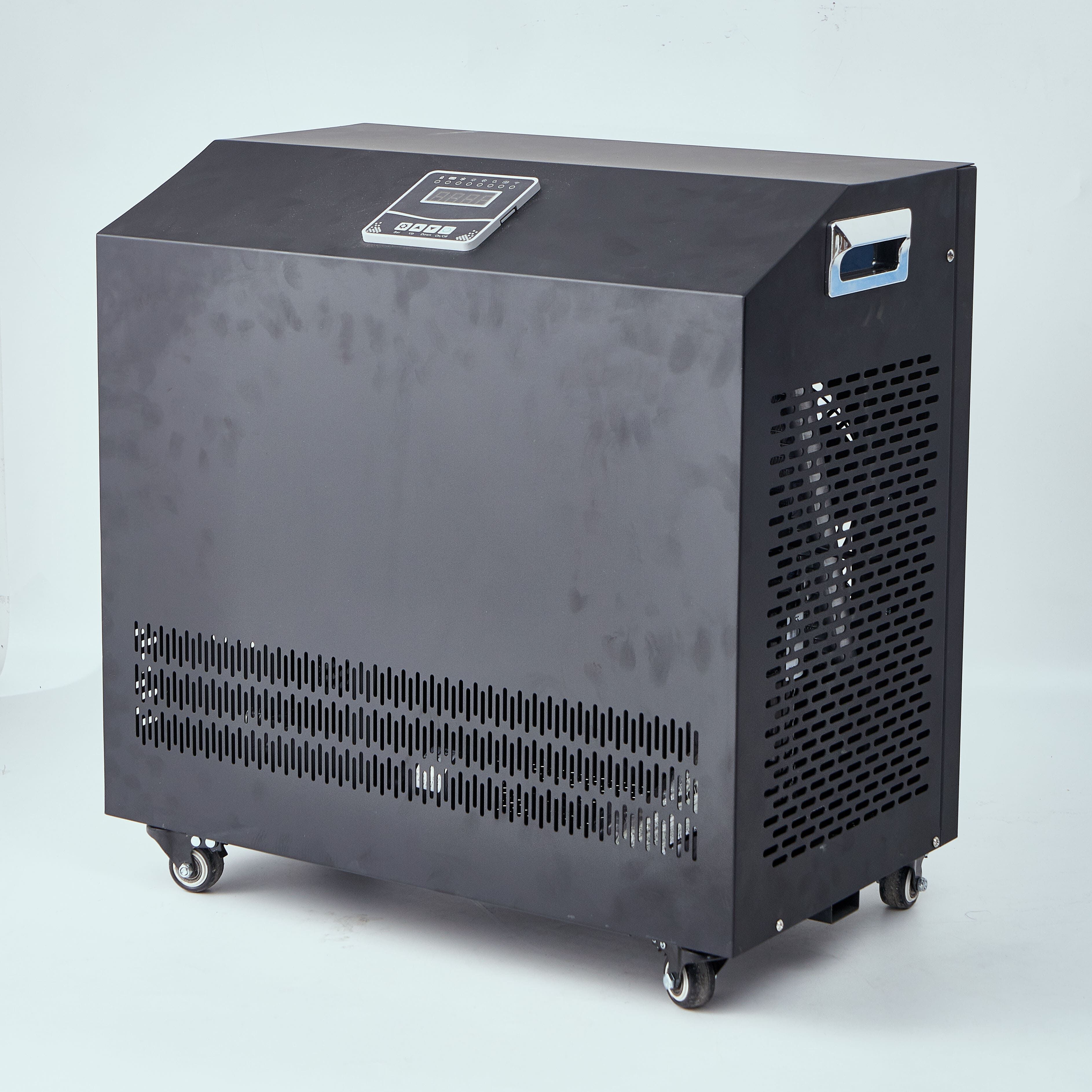
Why Bathtub Water Chillers Are the Optimal Solution for Urban Cold Therapy
The Urban Cold Therapy Gap: Limited Space, High Demand for Recovery
City life throws some pretty tough obstacles at people trying to stick with their recovery routines. The problem starts with where we live - most apartments and condos just don't have room for proper therapy areas. Plus, our busy schedules leave us exhausted faster than ever before. Traditional cold plunge tubs need serious floor space that simply doesn't exist in most urban homes. That leaves folks wanting better recovery stuck between good intentions and reality. Small bathrooms make ice baths a nightmare too, especially when trying to store enough ice without freezing everything else. According to recent surveys, nearly two thirds of city residents give up on cold therapy after just one month because it gets too complicated. And among urban athletes, around three quarters report slower recovery times when they can't get regular access. This is where bathtub water chillers come in handy. They turn something we already have (a bathroom) into a decent cold therapy system without needing extra space. Not perfect, but definitely better than nothing.
How Bathtub Water Chillers Eliminate Renovation, Cost, and Footprint Barriers
Bathtub water chillers resolve urban cold therapy's triple challenge through intelligent, integrated design:
- Zero renovation: Units connect directly to standard drains—no plumbing modifications or structural changes
- Cost efficiency: Households save $120–$300 monthly versus ice dependence, with average energy costs under $30
- Minimal footprint: Under-counter and wall-mounted models occupy less than 1.5 sq ft—versus 15+ sq ft for freestanding plunge pools
These systems maintain therapeutic temperatures (39°F–55°F) without ice hauling or fluctuations. Self-cleaning filters, quiet operation under 45 dB, and 70% lower maintenance versus traditional setups make them ideal for compact living. Urban adopters report 90% therapy consistency—proving spatial constraints no longer limit recovery access.
How a Bathtub Water Chiller Works: Cooling Technology and System Integration
Closed-Loop Refrigerant Systems vs. Ice-Dependent Methods
Today's bathtub chillers rely on closed loop refrigerant systems instead of relying on ice, which makes them much more dependable and accurate. Inside these systems, there's basically four main parts working together the compressor, condenser, expansion valve, and evaporator. They pull heat out of the bathwater and then release it into the room around us. Manual ice refilling is a whole different story though. It leads to all sorts of problems like fluctuating temperatures, extra work every day, and having to constantly restock supplies. Refrigerant based cooling fixes all that by providing cold whenever needed without any temperature fluctuations. The best models can actually get down to about 37 degrees Fahrenheit or 3 degrees Celsius. Some even cool at a rate of around 11 degrees per hour. This means no more spending money on ice plus getting consistently good results similar to what clinics would offer.
Precision Temperature Control, Filtration, and Quiet Operation Essentials
For urban environments, three integrated features are non-negotiable:
- Digital thermostats with ±1°F accuracy for repeatable, personalized protocols
- Built-in filtration that removes debris and contaminants during continuous recirculation
- Noise-dampened compressors, operating below 50 decibels—quieter than most household refrigerators
Water continuously cycles through the chiller and back into the tub, sustaining thermal stability and hygiene without renovations. This closed-loop integration ensures safety, convenience, and performance—even in tight, shared, or noise-sensitive living spaces.
Selecting a Bathtub Water Chiller for Small Spaces: Size, Safety, and Installation
Compact Form Factors: Under-Counter and Wall-Mounted Chiller Designs
Space efficiency is foundational in urban installations. Under-counter chillers tuck beneath existing cabinetry—leveraging otherwise unused vertical space—while wall-mounted units free up floor area entirely, making them ideal for bathrooms under 50 sq ft. Both require:
- Minimum 18-inch clearance for airflow
- Vibration-dampening mounts to prevent noise transfer
- Flexible tubing for seamless retrofitting
Prioritize models under 24" depth and rated at ₤60 dB. According to a 2023 manufacturer benchmark study, compact designs reduced spatial requirements by 72% compared to freestanding alternatives—without sacrificing cooling capacity or reliability.
Safety and Usability: Non-Slip Tubs, Thermal Stability, and ADA-Compliant Access
Safety is both functional and human-centered. Non-slip textured flooring prevents slips during immersion, while digital thermostats hold water within ±0.5°F of target temperature—critical for avoiding thermal shock. For inclusive, accessible installations:
- Entry ramps must support 300 lb capacity
- Handrails require 1.5" diameter grips for secure grip
- Controls must be operable from seated positions
Research shows proper thermal regulation reduces injury risk by 68% during cold exposure therapy. Units with emergency shutoffs and programmable gradual cooldowns further reinforce safety—ensuring cold therapy remains effective, sustainable, and trustworthy for all users.
FAQ
Q: How does a bathtub water chiller connect to the bathtub?
A: A bathtub water chiller connects directly to standard drains, eliminating the need for complex plumbing modifications or structural changes.
Q: How energy-efficient are bathtub water chillers?
A: These units are cost-efficient, saving households $120–$300 monthly compared to using ice, with average energy costs under $30.
Q: Are bathtub water chillers noisy?
A: No, they operate quietly under 50 decibels, which is quieter than most household refrigerators, making them suitable for shared or noise-sensitive spaces.
Q: Can a bathtub water chiller fit in small bathrooms?
A: Yes, under-counter and wall-mounted models occupy minimal space, ideal for bathrooms under 50 sq ft.