 EN
EN


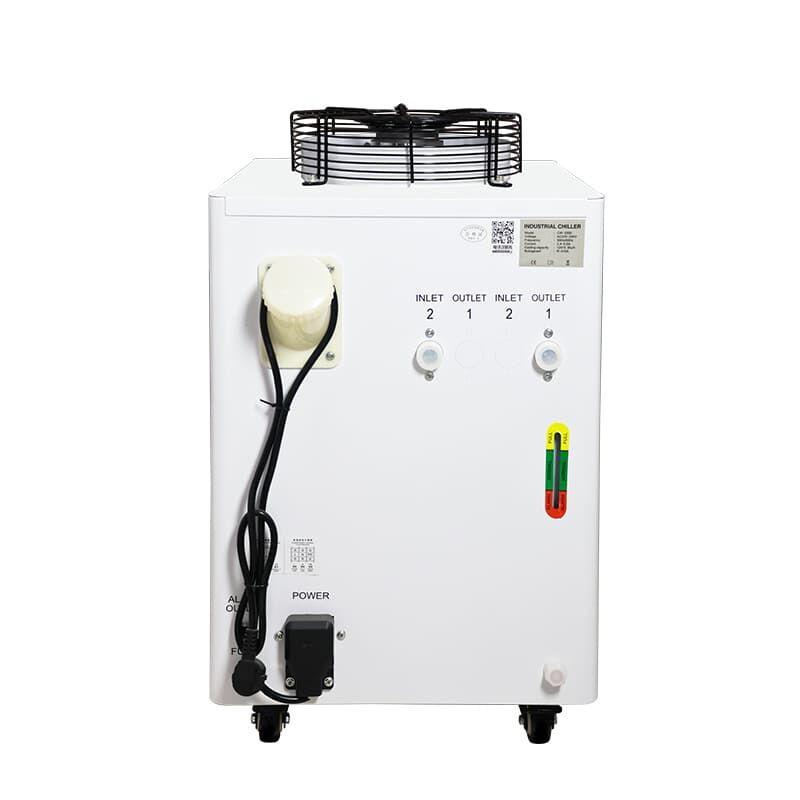
Understanding Heat Load: The Foundation of Industrial Chiller Sizing
Measuring the Heat Load Generated by the Equipment
Accurate heat load measurement is essential for proper industrial chiller sizing. Engineers use thermal imaging, heat flux sensors, or thermodynamic calculations to quantify thermal energy. For water-cooled systems, the formula:
Case Study: Heat Load Miscalculation Leading to System Inefficiency in a Plastics Manufacturing Plant
An injection molding plant in the Midwest ended up paying 23 percent more for energy after they put in a 25 ton chiller just because it matched what was written on the machine's nameplate. When an independent auditor took a closer look, they found out the real process needed 32 tons, which means the original equipment was way too small at about 29 percent under capacity. The consequences were pretty obvious - the compressors started running all day long, going from 12 hours straight up to 18 hours each day. Things changed when they upgraded to a bigger 40 ton variable speed system. Over the course of eight months, their energy bills dropped by nearly half, around 41 percent actually. This shows how critical it is to get those heat load calculations right from the start if companies want to save money while keeping operations running smoothly.
Key Process Parameters That Affect Industrial Chiller Performance
Maximum Acceptable Fluid Temperature Exiting the Heat Source
Most industrial processes require process fluids to exit equipment at or below 122°F (50°C) to prevent thermal degradation. Exceeding this limit forces chillers to work harder, increasing energy use by up to 18% and accelerating compressor wear, according to Thermal Systems Review (2023).
Required Fluid Flow Rate and Its Impact on Chiller Sizing
Flow rate directly affects chiller performance. Insufficient flow impedes heat removal, while excessive flow wastes energy. In one CNC machining system, a 25% reduction in flow raised fluid temperatures by 14°F, requiring 35% more chiller runtime to maintain stability€”a finding supported by the 2023 Fluid Dynamics Report.
Environmental Conditions and Their Impact on Industrial Chiller Efficiency
Ambient Operating Conditions (Temperature, Altitude, Humidity)
Chiller efficiency drops 18–34% in 90°F environments compared to 70°F. Humidity above 70% reduces heat rejection by 15–20%, and installations above 3,000 feet suffer 12–18% condenser performance loss due to thinner air. Desert-based operations often require chillers sized 25% larger to offset extreme ambient conditions.
Chiller Set Point Temperature and Its Effect on Cooling Capacity
Operating at a 45°F set point increases energy consumption by 30–40% versus 55°F, as compressors run 22% longer per cycle. A Texas food processing plant cut annual energy costs by $18,000 after adjusting set points seasonally, demonstrating the value of adaptive control strategies.
Consequences of Improper Industrial Chiller Sizing
The Importance of Proper Chiller Sizing for System Performance and Energy Efficiency
Correctly sized chillers avoid 12–37% energy cost increases (Ponemon Institute 2023) and prevent premature component failure. Undersized units run continuously at 110€“130% capacity, accelerating wear. Oversized units short-cycle, wasting 15–25% of cooling potential through frequent starts and stops. Well-matched systems maintain temperature stability within ±0.5°C and achieve optimal COP (Coefficient of Performance).
Controversy Analysis: Are Backup Capacities Always Justified?
People are still arguing whether having that extra 10 to 15 percent backup capacity really makes sense when it costs 7 to 12 percent more upfront. Most food processing facilities absolutely need redundant systems because of HACCP regulations, but look at discrete manufacturers they only bother with backup chillers around 43% of the time according to ASME's latest numbers from 2023. The good news though? Modern variable speed chillers have come a long way lately, giving operators between 94 and 97 percent flexibility in handling different loads, which means fewer companies actually need those second units anymore. And here's something interesting from a recent mechanical systems study published last year: when companies start using AI for predicting their cooling needs, they can slash their backup requirements by almost two-thirds without sacrificing much at all in terms of reliability, keeping operations running smoothly with 99.97% uptime.
Selecting the Right Industrial Chiller Type Based on Application and Cost
Use of performance curves and pump graphs in chiller selection
When chillers match their performance curves to real world demand, they run much more efficiently. Take systems running close to their design specs - around 10% variance gets them about 92% of their rated efficiency. But push them too far out of spec, say 30% off target, and efficiency drops down to just 74%. Pump graphs are actually pretty useful tools for spotting oversized circulators, which is something that happens way too often in the industry. These oversized units can really eat into budgets over time, typically increasing lifetime energy costs between 18% and 22%. Looking at actual field measurements, we find that getting the hydraulic system properly aligned cuts pump power usage by roughly 27% on average across installations.
Life cycle cost analysis: Balancing upfront investment with long-term savings
Air cooled chillers definitely cost less to install, around 30 to 40 percent cheaper actually. But when looking at long term savings for facilities running 24/7, water cooled systems often pay for themselves within seven years because they save between 28 and 35 percent on energy bills. Take one pharmaceutical manufacturing site for instance. They spent an additional $92k on a top tier chiller model back in 2016, and by 2024 had saved their company about $220k total. Pretty impressive return! And things are getting even better these days since many utilities offer rebates covering anywhere from 15 up to 25 percent of the added cost for efficient chillers across 32 states throughout America. These incentives are really helping shorten those payback periods substantially.
FAQ
What factors affect industrial chiller performance?
Factors affecting industrial chiller performance include maximum acceptable fluid temperature, required fluid flow rate, cooling fluid temperature, type of process fluid, ambient operating conditions, and chiller set point temperature.
Why is proper chiller sizing important?
Proper chiller sizing is crucial for maintaining system performance and energy efficiency. Undersized chillers run continuously at high capacity, leading to wear, while oversized chillers short-cycle, wasting energy.
How does ambient temperature affect chiller efficiency?
High ambient temperatures reduce chiller capacity and increase energy consumption as condensers struggle to reject heat. Accurate sizing should include derating factors based on regional climate data.
Table of Contents
- Understanding Heat Load: The Foundation of Industrial Chiller Sizing
- Key Process Parameters That Affect Industrial Chiller Performance
- Environmental Conditions and Their Impact on Industrial Chiller Efficiency
- Consequences of Improper Industrial Chiller Sizing
- Selecting the Right Industrial Chiller Type Based on Application and Cost
- FAQ