 EN
EN


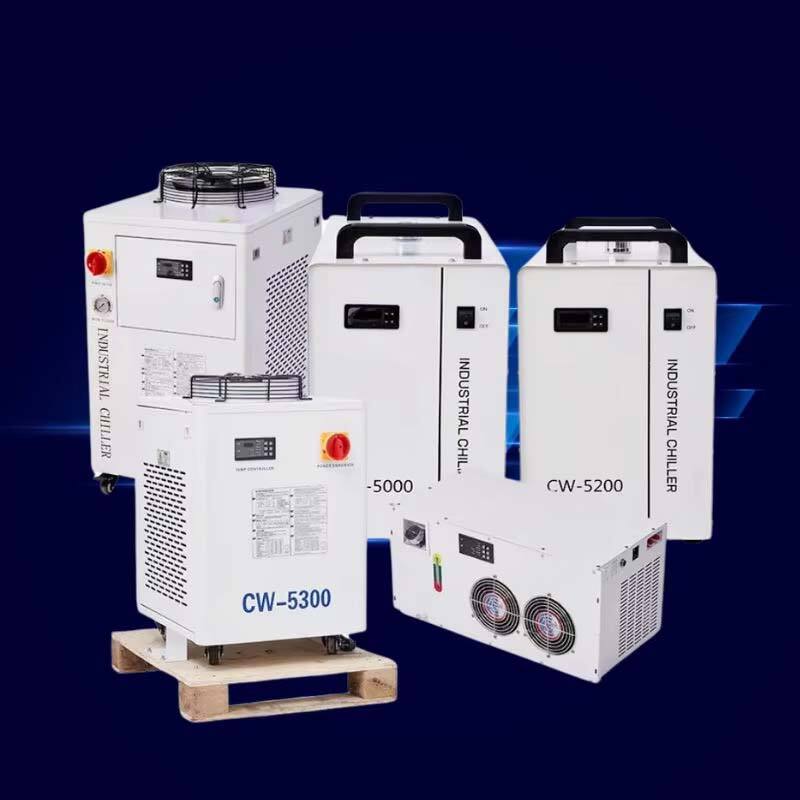
Insufficient Cooling in Water Cooling Circulation Chiller: Causes and Solutions
Understanding the Signs of Inadequate Cooling Performance
Early detection of cooling inefficiencies prevents costly industrial downtime. Key indicators include:
- Temperature discrepancies between setpoints and actual output (±2°C variance signals trouble)
- Ice formation on evaporator coils due to refrigerant underperformance
- Unusual pump vibrations or flow rate reductions exceeding 15%
- Condenser water temperatures 5°C+ above design specifications
These symptoms often precede major system failures, making routine monitoring essential for maintaining optimal chiller performance.
Low Coolant Levels and Refrigerant Imbalances as Primary Causes
A 2023 HVAC industry survey found 43% of cooling failures stem from improper fluid management. Critical issues include:
- Coolant depletion from undetected leaks or evaporation (common in high-ambient-temperature environments)
- Refrigerant overcharge/undercharge disrupting phase-change efficiency
- Contaminated fluids reducing thermal capacity by 20—35%
Example: A textile plant resolved persistent overheating by implementing bi-weekly coolant checks and installing automated leak detectors, cutting energy waste by 18%.
Case Study: Restoring Cooling Efficiency in a Pharmaceutical Manufacturing Chiller
A GMP-certified facility faced 30% cooling loss, risking $2M/month in production delays. Technicians:
- Performed ultrasonic testing to locate micro-leaks in refrigerant lines
- Replaced degraded coolant with corrosion-inhibiting fluids
- Optimized condenser water flow to 3 m/s via pump recalibration
These interventions restored design cooling capacity within 72 hours, maintaining 2—8°C process temperatures consistently—demonstrating how targeted diagnostics and proactive maintenance prevent critical operational disruptions.
Refrigerant Leaks and Charge Management in Water Cooling Circulation Chiller Systems
Detecting Refrigerant Leaks Through Pressure and Performance Indicators
Losing just 10% of refrigerant can cut cooling power down by about 20% in those water cooled circulation chillers according to ASHRAE research from last year. When something's wrong, technicians usually spot it first by looking at suction pressures that drop below 30 psi or temperatures drifting more than 2 degrees Fahrenheit away from what they should be. The really high end shops have moved on to better detection tools now. Some install electronic leak detectors that can catch losses as small as 0.1 ounces per year, while others prefer UV dye tracking systems which light up even the tiniest leaks that regular inspection methods simply miss.
Impact of Improper Refrigerant Charge on Chiller Efficiency
Undercharged systems work 35% harder to maintain temperatures, increasing energy costs by $5,600 annually per 100 tons (U.S. DOE 2023). Overcharged units risk liquid refrigerant floodback to compressors; a 2023 HVAC efficiency study showed that 22% excess refrigerant caused an 18% efficiency drop due to compromised heat exchange and elevated head pressures.
Case Study: Identifying Micro-Leaks in Food Processing Chillers Using Tracer Gas
A food processing plant reduced compressor replacements by 72% after implementing tracer gas detection. Nitrogen tracing identified four sub-0.5 oz/year leaks in evaporator joints previously missed by standard techniques. Repairs restored 96% of original cooling capacity within 48 hours, underscoring the importance of precision diagnostics in preserving equipment longevity.
Water Flow Restrictions and Clogging in Industrial Chillers
Recognizing Symptoms of Poor Water Circulation and Pump Inefficiency
Operators should monitor for 12—15 PSI pressure gauge fluctuations and irregular pump vibrations—early indicators of flow restrictions in water cooling circulation chillers. A 2023 industrial maintenance survey found 34% of chiller performance drops stem from unrecognized circulation issues. Key warning signs include:
- Increased compressor cycling frequency
- Temperature differentials exceeding 8°F across evaporator coils
- Audible cavitation noises in centrifugal pumps
Prompt identification of these symptoms allows intervention before cascading damage occurs.
Preventive Maintenance: Flushing Protocols and Filtration Upgrades
Implementing bi-annual tube flushing with pH-neutral solutions reduces scaling risks by 63% compared to annual cleaning cycles. Facilities using multi-stage filtration systems report:
- 89% fewer emergency repairs related to particulate blockages
- 41% longer service intervals for pump seals
- 29% reduction in chemical cleaning agent usage
For critical applications, installing 50-micron duplex strainers with automatic backflush capabilities maintains consistent flow rates while allowing continuous operation during filter changes—enhancing reliability without sacrificing uptime.
Electrical, Control, and Startup Failures in Water Cooling Circulation Chillers
Diagnosing Failure to Start: Power Supply and Electrical Component Checks
Around 37 percent of all problems with water cooling circulation chillers actually come down to electrical issues according to Ponemon's research from 2023. When something goes wrong, start checking the basics first. Look at whether there's continuous power running through the system. Check if any circuit breakers have tripped, see if fuses are blown (a reading below 50k ohms usually means they're dead) and watch out for voltage swings that go beyond plus or minus 10% of what the equipment is rated for. Motor starters and contactors need close inspection too since arcing or worn contacts cause about 42% of those frustrating compressor startup problems technicians deal with daily. And don't forget thermal imaging scans on wiring connections. These hot spots often show up before big trouble strikes, and they're responsible for roughly 63% of electrical fires we see in industrial chillers across the board.
Troubleshooting Control Panel and Sensor Malfunctions
When temperature sensors start giving wild readings or controls stop responding properly, most times it comes down to either corroded connections at the sensor terminals or some kind of electrical noise messing with the signal cables. According to the latest industry report on chiller sensors from 2024, nearly three out of ten units showed pressure transducers drifting way off their original specifications, sometimes more than 8%. Before trying to program anything new into the system, always reset those control parameters back to factory defaults first. Bad PID settings account for almost a third of all compressor short cycling problems we see in the field. And if dealing with PLC controlled systems, take a good look through those error logs. Most technicians find that about 19% of unexpected shutdown incidents can be traced back to problematic input/output modules somewhere in the system.
FAQs
What are the common signs of insufficient cooling in a water cooling chiller?
Common signs include temperature discrepancies, ice formation on evaporator coils, and unusual pump vibrations or flow rate reductions.
How can refrigerant imbalances impact cooling efficiency?
Refrigerant imbalances such as overcharge or undercharge can disrupt phase-change efficiency, leading to increased energy consumption and reduced cooling capacity.
What steps should be taken if a refrigerant leak is detected?
It is essential to evacuate remaining refrigerant, seal leaks with appropriate compounds, recharge to the specified levels, and confirm system stability through pressure tests.
How can water flow restrictions in chillers be prevented?
Regular maintenance, including bi-annual tube flushing and filtration upgrades, can help prevent water flow restrictions, improving reliability and performance.
Table of Contents
- Insufficient Cooling in Water Cooling Circulation Chiller: Causes and Solutions
- Refrigerant Leaks and Charge Management in Water Cooling Circulation Chiller Systems
- Water Flow Restrictions and Clogging in Industrial Chillers
- Electrical, Control, and Startup Failures in Water Cooling Circulation Chillers
- FAQs