 EN
EN


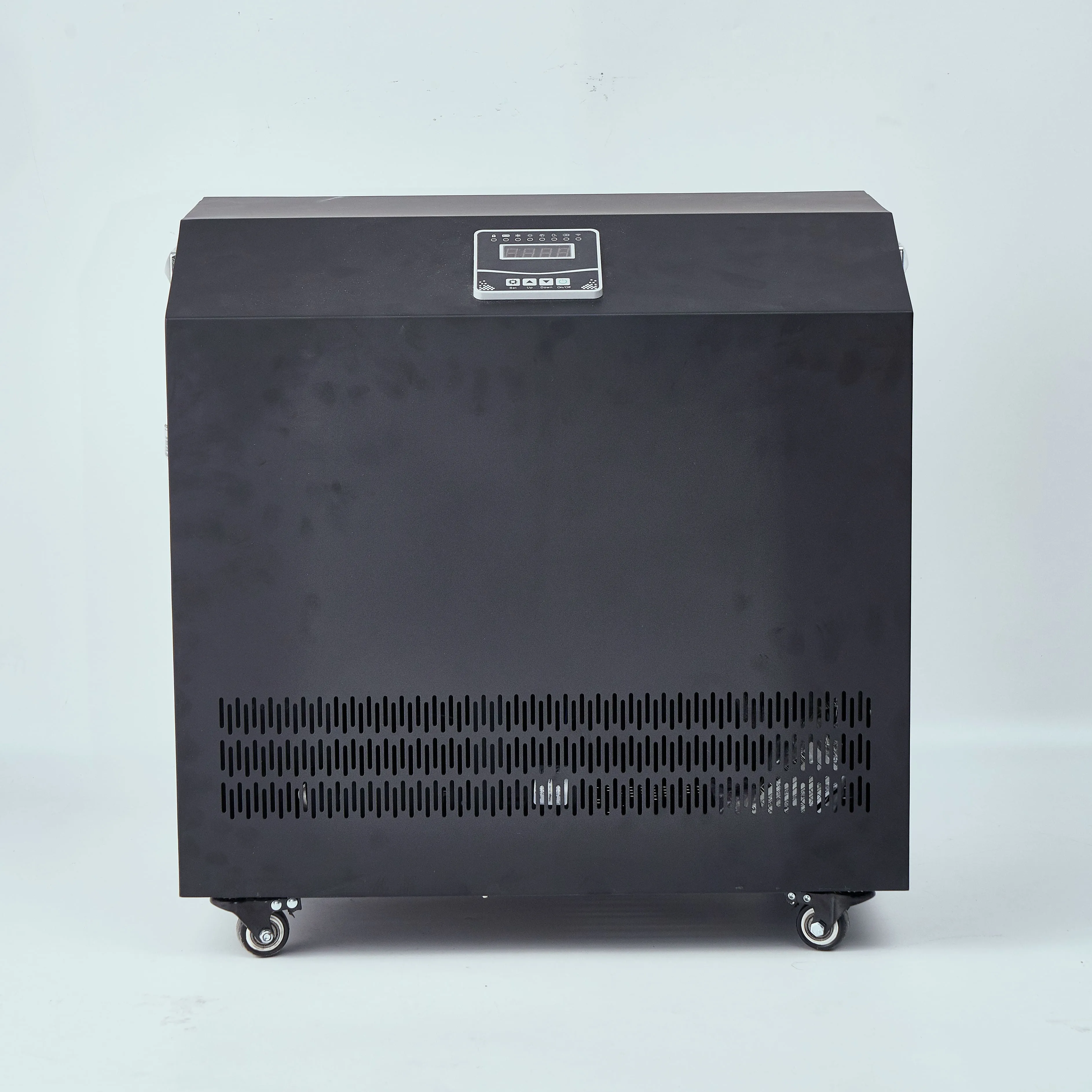
एक के मुख्य शीतलन घटक आइस बाथ चिलर
रोटरी कंप्रेसर: शून्य से कम 10°C के लगातार संचालन के लिए दक्षता और विश्वसनीयता
रोटरी कंप्रेसर मूल रूप से वे घटक हैं जो आइस बाथ चिलर्स को उनका जादू काम करने में सक्षम बनाते हैं। ये घटक रेफ्रिजरेंट को संपीड़ित करने के लिए घूर्णन करने वाले भागों का उपयोग करते हैं और पिछले वर्ष के कुछ एचवीएसी शोध के अनुसार, ये पारंपरिक पिस्टन-आधारित (रेसिप्रोकेटिंग) इकाइयों की तुलना में लगभग 40 प्रतिशत कम बिजली की खपत करते हैं। इसका अर्थ यह है कि ये तापमान दस डिग्री सेल्सियस से नीचे गिर जाने की स्थिति में भी निरंतर संचालित हो सकते हैं, बिना प्रदर्शन में कमी के—जो कि तीव्र प्रशिक्षण सत्रों के बाद उचित पुनर्प्राप्ति के प्रयास कर रहे एथलीट्स के लिए वास्तव में महत्वपूर्ण है। इनकी सीलबंद रचना समय के साथ रेफ्रिजरेंट के रिसाव को रोकती है, और इन द्वैध-बेयरिंग रोटर्स का जीवनकाल आमतौर पर बीस हज़ार से अधिक संचालन घंटों तक होता है। अधिकांश सुविधाएँ इन चिलर्स को दिन भर भारी उपयोग के बावजूद अत्यंत विश्वसनीय पाती हैं।
कंडेनसर डिज़ाइन: एयर-कूल्ड बनाम हाइब्रिड हीट डिसिपेशन
कंडेनसर का चयन सीधे चिलर की स्थापना और संचालन लागत को प्रभावित करता है:
- एयर-कूल्ड सिस्टम ऊष्मा विसरण के लिए एल्यूमीनियम फिन्स और अक्षीय पंखे का उपयोग करते हैं, जिससे न्यूनतम रखरखाव की आवश्यकता होती है, लेकिन वायु प्रवाह के लिए 1.5 मीटर की स्पष्टता की आवश्यकता होती है—आवासीय स्थापनाओं के लिए आदर्श
- हाइब्रिड कंडेनसर जल-सहायता वाले शीतलन को एकीकृत करते हैं, जिससे पर्यावरणीय ऊष्मा अस्वीकृति में 35% की कमी आती है (ASHRAE जर्नल, 2024)। इससे व्यावसायिक-श्रेणी की इकाइयाँ सीमित स्थानों में कुशलतापूर्वक कार्य कर सकती हैं और चरम भार के दौरान ऊर्जा के उपयोग में कमी आती है
वाष्पीकारक और शीतलक चक्र: सटीक तापमान नियंत्रण
आधुनिक बर्फ स्नान शीतलक अनुकूलित शीतलक चक्रों के माध्यम से ±0.5°C की तापमान स्थिरता प्राप्त करते हैं:
- R-134a आवासीय इकाइयों के लिए अज्वलनशील शीतलन प्रदान करता है, जिसकी वैश्विक उष्मन क्षमता (GWP) पुराने विकल्पों की तुलना में 68% कम है
- R-290 (प्रोपेन) लगभग शून्य GWP और व्यावसायिक प्रणालियों में 15% उच्च ऊष्मीय स्थानांतरण दक्षता प्रदान करता है, जो लवणीय संक्षारण के प्रति प्रतिरोधी ब्रेज़्ड स्टेनलेस स्टील वाष्पीकारकों के भीतर संरक्षित है
विस्तार वाल्व प्रशीतक के प्रवाह को वाष्पीकरण कुंडली में सटीक रूप से मापता है, जहाँ चरण-परिवर्तन अवशोषण घूमने वाले जल से ऊष्मा को निकालता है—जिससे 90 मिनट से कम समय में 15°C से 4°C तक तीव्र शीतलन संभव हो जाता है।
जल संचरण और फ़िल्ट्रेशन एकीकरण आइस बाथ चिलर्स
कम वोल्टेज जल पंप (12V/24V): प्रवाह दर, हेड दबाव, और बर्फ़ स्नान की मात्राओं के साथ संगतता
अधिकांश आइस बाथ चिलर्स का मुख्य अंग उनके कम वोल्टेज डीसी पंप होते हैं, जो 12 वोल्ट या 24 वोल्ट पर काम करते हैं। ये पंप दैनिक निरंतर संचालन के लिए आवश्यक विद्युत सुरक्षा और उत्कृष्ट ऊर्जा दक्षता दोनों प्रदान करते हैं। प्रवाह दरों के मामले में, प्रणालियाँ आमतौर पर प्रति घंटे 500 से 2000 गैलन के बीच के पानी के प्रवाह को संभालती हैं, जिसका अर्थ है कि टैंक के वास्तविक आकार के आधार पर पूर्ण पानी का चक्रण 15 से 30 मिनट के भीतर पूरा हो जाता है। सिर दबाव (हेड प्रेशर) को सही ढंग से सेट करना भी बहुत महत्वपूर्ण है। पंप को अपने स्वयं से जल स्तर तक की ऊर्ध्वाधर दूरी को पार करने के लिए पर्याप्त शक्ति की आवश्यकता होती है। अधिकांश मानक सेटअप 8 से 15 psi के दबाव सीमा के साथ अच्छी तरह काम करते हैं। 500 गैलन से अधिक के प्रबंधन करने वाले बड़े वाणिज्यिक चिलर्स में आमतौर पर दो पंप होते हैं, जो एक के खराब होने पर कुल प्रणाली विफलता से बचाने के लिए बैकअप के रूप में कार्य करते हैं। आपके टैंक के लिए सही पंप का आकार चुनना पूर्णतः आवश्यक है। लगभग 100 गैलन क्षमता वाले छोटे आवासीय इकाइयों के लिए कम से कम 800 GPH क्षमता वाले पंप की खोज करें। 300 गैलन से अधिक क्षमता वाले टैंकों वाली खेल सुविधाओं को उचित संचारण और शीतलन प्रभावकारिता बनाए रखने के लिए 1500 GPH या उससे अधिक क्षमता वाले पंप की आवश्यकता होगी।
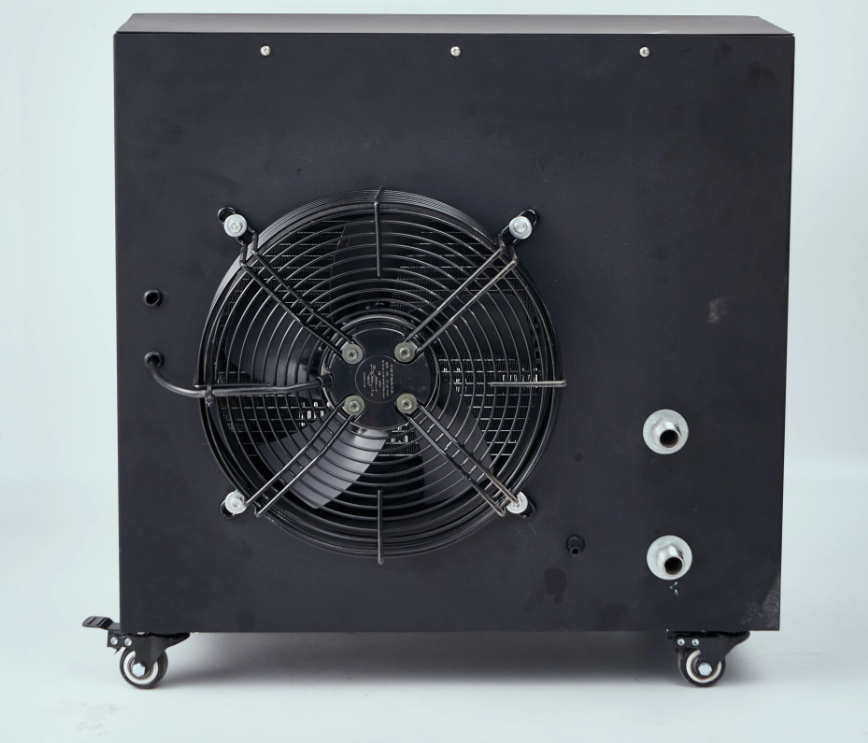
बहु-चरणीय फिल्ट्रेशन: यांत्रिक, सक्रिय कार्बन और वैकल्पिक ओजोन — स्वच्छ बर्फ के स्नान के पानी को सुनिश्चित करना
आज की फिल्ट्रेशन प्रणालियाँ जल में जैविक और कार्बनिक अशुद्धियों दोनों को नियंत्रित करने के लिए कई परतों पर निर्भर करती हैं। पहली रक्षा की रेखा 20 से 50 माइक्रोन रेटिंग वाले यांत्रिक प्री-फिल्टर्स से बनी होती है, जो ढीले त्वचा के कणों और बालों के तंतुओं को पकड़ लेते हैं। इसके बाद सक्रिय कार्बन आता है, जो तेलों, शरीर के लोशन और विभिन्न कार्बनिक यौगिकों को अवशोषित करने में उत्कृष्ट प्रदर्शन करता है। सूक्ष्मजीवों को नष्ट करने के लिए ओजोन जनरेटर्स प्रणाली में O3 गैस का संचारण करके कार्य करते हैं। NSF/ANSI 50 मानकों के अनुसार, यह प्रक्रिया फिल्टर के प्रत्येक पूर्ण चक्र के दौरान रोगाणुओं का लगभग 99.9% भाग नष्ट कर देती है। इन तीनों चरणों के समन्वित कार्य से सुविधा प्रबंधक जल परिवर्तन की आवृत्ति को प्रतिदिन एक बार से घटाकर केवल सप्ताह में एक बार कर सकते हैं, बिना pH स्थिरता को समझौते में डाले। कुछ व्यस्त वाणिज्यिक संचालन पाइपों के अंदर जैव-फिल्मों (बायोफिल्म्स) के निर्माण को रोकने के लिए अतिरिक्त UV-C प्रकाश कक्षों की स्थापना भी कर सकते हैं। प्रत्येक दो से चार सप्ताह में नियमित फिल्टर प्रतिस्थापन से समग्र प्रणाली स्वच्छ और स्वच्छतापूर्ण रहती है, जिससे रखरखाव दलों के लिए न्यूनतम रोकथाम समय (डाउनटाइम) उत्पन्न होता है।
ऊष्मा विनिमय प्रौद्योगिकी: बर्फ के गड्ढे के शीतलकों के लिए सामग्री और डिज़ाइन विकल्प
टाइटेनियम प्लेट ऊष्मा विनिमयक: ठंडे डुबकी अनुप्रयोगों में संक्षारण प्रतिरोध, संकुचित आकार और तापीय दक्षता
टाइटेनियम प्लेट हीट एक्सचेंजर आधुनिक बर्फ के स्नान शीतलकों में तापीय प्रबंधन के लिए सुनहरा मानक बन रहे हैं, जिनका उपयोग प्रयोगशालाओं और चिकित्सा सुविधाओं में किया जाता है। ये घटक इसलिए अलग खड़े होते हैं क्योंकि वे लंबे समय तक क्लोरीनयुक्त या नमकीन पानी के संपर्क में आने पर क्षरित नहीं होते, जो एक बड़ी बात है, क्योंकि कई प्रणालियों को लगातार डूबे रहने की आवश्यकता होती है। सामान्य सामग्रियाँ इन कठोर परिस्थितियों में केवल विघटित हो जाती हैं, लेकिन सामग्री परीक्षण रिपोर्टों के अनुसार टाइटेनियम लगभग 15 वर्ष अधिक समय तक मजबूती से काम करता रहता है। संक्षिप्त स्टैक्ड डिज़ाइन पारंपरिक शेल-एंड-ट्यूब मॉडलों की तुलना में आधा स्थान घेरता है, जबकि उन पुरानी प्रणालियों की तुलना में ताप स्थानांतरण तीन से पाँच गुना तेज़ होता है। इससे ये छोटे स्थानों, जैसे घरेलू प्रयोगशालाओं के लिए आदर्श हो जाते हैं, जहाँ प्रत्येक वर्ग इंच मायने रखता है, लेकिन शीतलन शक्ति भी महत्वपूर्ण रहती है। ऐसी तापीय चालकता के साथ, जो तापमान को आधे डिग्री सेल्सियस के भीतर बनाए रखने के लिए पर्याप्त तेज़ है, ये शीतलक विस्तारित प्रयोगों के दौरान भी स्नान को 10 डिग्री सेल्सियस से नीचे विश्वसनीय रूप से बनाए रख सकते हैं। इसके अतिरिक्त, मॉड्यूलर टाइटेनियम इकाइयों के साथ रखरखाव काफी आसान हो जाता है, जो तकनीशियनों को पूरी प्रणाली को तोड़े बिना सफाई के लिए व्यक्तिगत प्लेटों को हटाने की अनुमति देती हैं।
मुख्य डिज़ाइन लाभ :
- संक्षारण प्रतिरोध क्षमता रासायनिक रूप से उपचारित स्नानों में विद्युत-अपघटन क्षति को समाप्त कर देती है
- टर्बुलेंस-वर्धित द्रव गतिकी कम प्रवाह संचालन के दौरान जमने के जोखिम को कम करती है
- समकक्ष सतह क्षेत्रफल वाले पारंपरिक हीट एक्सचेंजरों की तुलना में 60% आयतन कमी
- वाणिज्यिक स्थायित्व के लिए लीक-रोधी, गैस्केट-रहित लेज़र-वेल्डेड विन्यास
आधुनिक आइस बाथ चिलर्स का स्मार्ट नियंत्रण और सुरक्षा अवसंरचना
डिजिटल पीआईडी नियंत्रक, सुरक्षा लॉकआउट्स और दूरस्थ निगरानी — उपयोगकर्ता अनुभव और प्रणाली की दीर्घायु को बढ़ाना
आज के बर्फ के स्नान शीतलक डिजिटल PID नियंत्रकों पर निर्भर करते हैं ताकि जल तापमान ±0.2°C के आसपास स्थिर बना रहे, जिससे ठंडे चिकित्सा परिणामों को बिगाड़ने वाले वे अप्रिय तापमान उतार-चढ़ाव रुक जाएँ। जब कोई समस्या उत्पन्न होती है, जैसे कि रेफ्रिजरेंट का रिसाव या पानी का समाप्त हो जाना, तो सुरक्षा तंत्र सक्रिय हो जाते हैं और क्षति होने से पहले सभी को बंद कर देते हैं। अधिकांश मॉडलों में अब एन्क्रिप्टेड वाई-फाई होता है, जिससे ऑपरेटर आवश्यकता पड़ने पर अपने फ़ोन से सेटिंग्स को समायोजित कर सकते हैं। यह प्रणाली असामान्य उपयोग पैटर्न का पता लगाने पर रखरखाव के लिए स्मृति-सूचनाएँ भी भेजती है। उद्योग रिपोर्टों के अनुसार, ये सभी स्मार्ट सुविधाएँ पुरानी मैनुअल प्रणालियों की तुलना में ऊर्जा लागत को लगभग 30% तक कम कर देती हैं। इसके अतिरिक्त, भविष्यवाणी आधारित निदान समस्याओं का पहले ही पता लगाने में सहायता करते हैं, जिसका अर्थ है कि शीतलक लगातार खराब होने के बिना अधिक समय तक चलते हैं। यह संयोजन सुरक्षित संचालन सुनिश्चित करता है, जबकि रोगियों के प्रभावी सुधार के लिए आवश्यक सटीक शीतलन की आपूर्ति भी जारी रहती है।
सामान्य प्रश्न अनुभाग
एयर-कूल्ड और हाइब्रिड कंडेनसर में क्या अंतर है?
एयर-कूल्ड सिस्टम गर्मी के अपवहन के लिए एल्युमीनियम फिन्स और पंखे का उपयोग करते हैं, जो आवासीय सेटअप के लिए आदर्श हैं, जबकि हाइब्रिड कंडेनसर पानी-सहायता प्राप्त शीतलन का उपयोग करते हैं, जिससे वाणिज्यिक वातावरण में चरम भार के दौरान वातावरण में गर्मी के अपवहन और ऊर्जा के उपयोग में कमी आती है।
आइस बाथ चिलर्स में टाइटेनियम प्लेट हीट एक्सचेंजर्स को क्यों प्राथमिकता दी जाती है?
टाइटेनियम प्लेट हीट एक्सचेंजर्स उत्कृष्ट संक्षारण प्रतिरोध, संकुचित आकार और तापीय दक्षता प्रदान करते हैं, जिससे वे कठोर जलीय वातावरणों के लिए उपयुक्त हो जाते हैं, जहाँ पारंपरिक सामग्रियाँ क्षीण हो जाएँगी।
इन चिलर्स में डिजिटल पीआईडी नियंत्रकों की क्या भूमिका है?
डिजिटल पीआईडी नियंत्रक सटीक तापमान स्थिरता बनाए रखते हैं, जिससे तापमान में उतार-चढ़ाव रोके जा सकते हैं। वे सुरक्षा लॉकआउट्स और दूरस्थ निगरानी को भी एकीकृत करते हैं, जिससे उपयोगकर्ता अनुभव और प्रणाली की दीर्घायु में सुधार होता है।
आइस बाथ चिलर्स में रोटरी कंप्रेसर्स के उपयोग का क्या महत्व है?
रोटरी कंप्रेसर महत्वपूर्ण हैं क्योंकि वे दक्षता और विश्वसनीयता प्रदान करते हैं, 40% कम बिजली की खपत करते हैं और उप-10°C तापमान पर भी संचालन सुनिश्चित करते हैं, जो खिलाड़ियों के पुनर्प्राप्ति सत्रों के लिए आवश्यक है।