 EN
EN


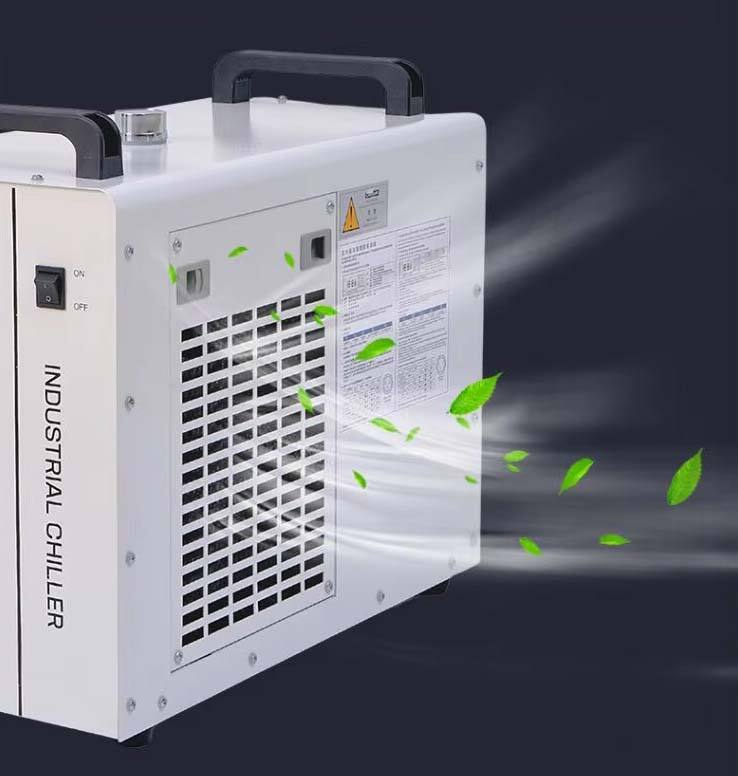
Core Differences Between Air-Cooled and Water-Cooled Chillers
How Condenser Mechanisms Define Air-Cooled vs Water-Cooled Chiller Performance
Air cooled chillers work by using those finned condenser coils along with axial fans to dump heat straight into the air around them. Because of this setup, their performance really depends on what the outside temperature is doing at any given moment. Water cooled systems take a different approach altogether. They have these water to refrigerant heat exchangers connected to cooling towers, taking advantage of water's much better ability to move heat away from equipment. Water actually transfers heat about three to four times better than air does, which makes all the difference. As a result, water cooled chillers tend to run about 12 to 15 percent more efficiently in areas with average weather conditions. The downside? These systems need complicated setups for moving water around and keeping it treated properly, which adds both cost and maintenance requirements compared to simpler air cooled alternatives.
Heat Rejection Methods and Their Impact on System Design
Air cooled units get rid of heat via those exposed condenser coils out back, and they just need electricity plus enough room around them for proper air movement. Water cooled systems work differently though. They need all sorts of extra equipment like secondary water loops, pumps running constantly, and those big cooling towers we see at factories. The upside? These water systems can handle about 20 to maybe even 30 percent more cooling per ton compared to air cooled ones. But there's a catch they take up roughly double the space, somewhere between 40 and 50% more actually. So when space matters most, like on rooftops or in tight spots, air cooled chillers make sense. That's why we tend to see water cooled models mostly in huge industrial plants where they have plenty of room to spread out without worrying about every square foot.
Influence of Ambient Temperature and Climate (Dry Bulb vs Wet Bulb) on Efficiency
The efficiency of air cooled chillers drops off as dry bulb temperatures rise. When temps go up 10 degrees Fahrenheit past 85 degrees, capacity usually falls somewhere between 8 to 12 percent. Water cooled systems work differently because they rely on wet bulb temperatures. These tend to be about 10 to 15 degrees cooler in places where humidity is high, so these systems keep running smoothly even when summer heat hits record levels. Take desert regions where dry bulb readings hit 95 degrees Fahrenheit. Air cooled units there often lose around 25% of their effectiveness compared to water cooled options. That makes water cooling much better suited for locations where extreme heat is common throughout the year.
Energy Efficiency and Long-Term Operational Performance
Comparing COP and Energy Efficiency in Industrial Environments
Water cooled chillers tend to show about 20 to 35 percent better performance ratings compared to their air cooled counterparts when temperatures are moderately high or above. The difference becomes even more noticeable in larger installations above 500 kW capacity. Air cooled systems just cant keep up with maintaining proper condenser pressure levels when demand spikes. A recent study from the Industrial Cooling Analysis in 2024 found that because water conducts heat so much better, compressors work roughly 18 to 22 percent less hard. Over months and years this makes a real difference in how efficiently buildings consume power for cooling purposes.
Real-World Energy Savings: Case Study in Automotive Manufacturing
One major auto parts supplier saved around $240k each year on cooling expenses when they swapped out their old air cooled chillers for a new water cooled system. This change made a real difference at the robotic welding stations where temperatures became much more stable. The range dropped from plus or minus 2.3 degrees Celsius down to just plus or minus 0.5 degrees. That means better quality welds overall and significantly lower summer electricity bills too - about a 31% reduction in those peak demand charges during hot weather months. According to recent Department of Energy research from 2023, these kinds of improvements make sense because water cooled systems typically run between 89% and 92% efficient over long periods, while traditional air cooled versions only manage around 74% to 78% efficiency.
Water Cooling Circulation Chiller Systems in Industrial Applications
Role of Water Cooling Circulation Chiller Systems in Stable Thermal Control
Water cooled circulation chillers offer remarkable thermal stability, often keeping temperatures within just 0.3 degrees Celsius. This makes them perfect for applications where even small temperature changes matter, such as in making medicines or producing semiconductors. The system's closed loop setup helps shield against outside influences, so energy usage stays pretty consistent with fluctuations below 15%. Water transfers heat about four times better than air does, allowing these chillers to handle substantial thermal loads ranging from 500 to 2000 kilowatts per cubic meter. As a result, they support continuous operations that need strict temperature controls without breaking a sweat.
Cooling Capacity Demands in High-Intensity Manufacturing Processes
In industries like automotive battery manufacturing and steel quenching operations, there's often a need for between 750 to 1200 tons of refrigeration capacity when things get busy. Looking at industry numbers from early 2024, it turns out that water cooled chillers tend to run about 30 to 35 percent more efficiently compared to their air cooled counterparts, especially in big plants covering over 10,000 square meters. Take systems dealing with power levels above 500 kW for example these can maintain temperature stability within half a degree Celsius across full 18 hour production runs. This kind of precision keeps expensive gear like those powerful laser welders safe from heat related damage that could cost thousands in repairs down the line.
Cooling Tower Integration and Water Consumption Challenges
Cooling towers can boost heat rejection rates somewhere between 40 to 60 percent, though they do come at the cost of increased water consumption around 3 to 5 gallons per minute for each ton of cooling capacity. For facilities located in dry areas where water is already scarce, problems like scaling buildup and microbial growth really drive up treatment expenses, sometimes pushing them as much as 30% higher than normal. Some newer hybrid models now incorporate heat recovery systems that cut down on the need for fresh makeup water by about 25%. Still, these systems require significantly more attention compared to traditional air-cooled alternatives. Maintenance bills tend to stay roughly 15 to 20% above average every month because there's just so much involved in keeping the tower components running smoothly along with managing all the necessary chemicals.
Frequently Asked Questions
What are the main differences between air-cooled and water-cooled chillers?
Air-cooled chillers use finned condenser coils and axial fans to dump heat into the surrounding air, while water-cooled chillers use water to refrigerant heat exchangers connected to cooling towers. Water-cooled systems tend to be more efficient due to water's better heat transfer capability, but require more maintenance and complex setups.
Which type of chiller is better for hot climates?
Water-cooled chillers are better suited for hot climates due to their reliance on wet bulb temperatures, which are cooler in high humidity conditions. These chillers maintain efficiency even in extreme heat, making them preferable in such environments.
What are the long-term operational costs of water-cooled chillers?
Water-cooled chillers offer lower total ownership costs over 10 years despite higher initial investments. Maintenance plays a significant role, with savings typically offsetting the higher installation costs within 3-5 years for industrial users.
How does ambient temperature affect chiller efficiency?
Air-cooled chiller efficiency drops as dry bulb temperatures rise, with significant losses in areas with high temperatures. Water-cooled chillers' efficiency is influenced by wet bulb temperatures, making them better suited for humid environments.
What are the space requirements for air-cooled vs water-cooled chillers?
Air-cooled chillers require significantly less space, making them ideal for retrofit projects or locations with limited ground area. Water-cooled systems need dedicated zones for cooling towers and ancillary components, increasing initial infrastructure costs.
Table of Contents
- Core Differences Between Air-Cooled and Water-Cooled Chillers
- Energy Efficiency and Long-Term Operational Performance
- Water Cooling Circulation Chiller Systems in Industrial Applications
-
Frequently Asked Questions
- What are the main differences between air-cooled and water-cooled chillers?
- Which type of chiller is better for hot climates?
- What are the long-term operational costs of water-cooled chillers?
- How does ambient temperature affect chiller efficiency?
- What are the space requirements for air-cooled vs water-cooled chillers?