 EN
EN


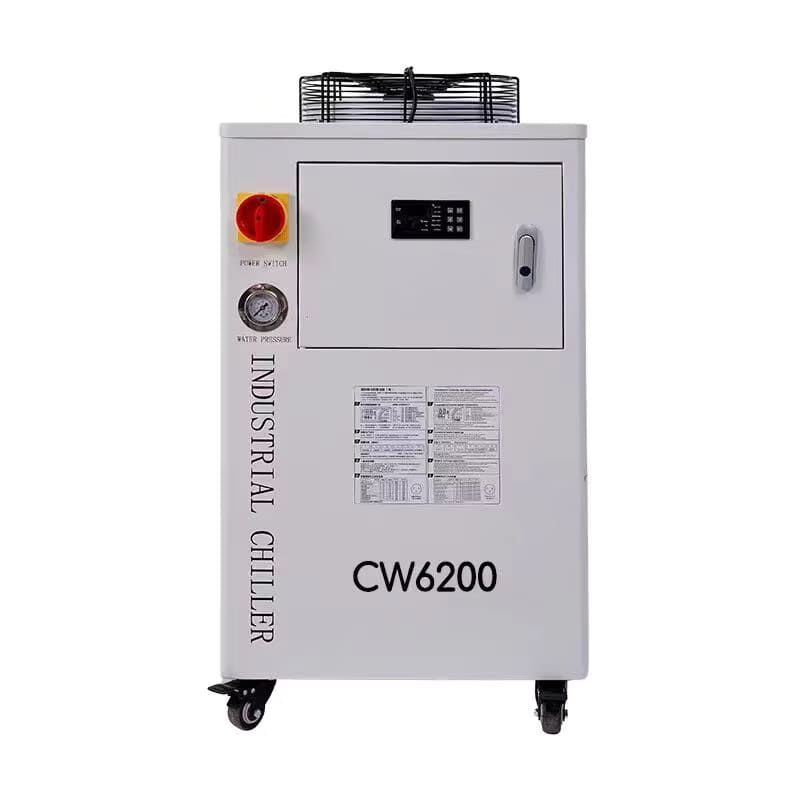
Preventing CO2 Laser Tube Overheating with CO2 Laser Chiller Systems
Overheating as a Leading Cause of Early CO2 Laser Tube Failure
The number one reason CO2 laser tubes fail before their time? Overheating accounts for well over half of all early replacements across manufacturing settings. When cooling systems aren't doing their job right, those internal temps just keep climbing past what's safe. The result? Glass parts start cracking under pressure, mirror coatings break down faster than they should, and the whole structure becomes vulnerable. What happens next isn't pretty either. Cutting gets less accurate, power drops off, and eventually the whole thing goes kaput. Regular wear and tear pales in comparison to what heat does to these tubes. Factories report lifespans dropping anywhere between 40 to 70 percent when things get too hot. And let's not forget the bottom line impact here. Replacing a damaged tube costs anywhere from two grand to eight grand, not to mention all the downtime while waiting for repairs. That's why keeping things cool really matters for both shop floor operations and wallet health.
How CO Laser Chiller Prevents Thermal Damage Through Active Cooling
CO laser chillers keep things from getting too hot inside by keeping temperatures right around that sweet spot between 15 and 21 degrees Celsius using active refrigeration systems. What happens is chilled water gets pumped through the cooling jacket surrounding the actual laser tube, pulling away all that extra heat built up while the machine runs. These chillers work with what's called a closed loop setup featuring compressors, evaporators, plus those fancy temperature sensors that constantly check conditions. They tweak how much cooling power goes out there so everything stays stable within just one degree either way. Keeping such tight temperature control stops problems like cracks forming in the equipment and helps preserve the electrodes over time. When looking at numbers, these active chillers actually out about three to five times more heat removal capability compared to older passive cooling approaches. That means machines run reliably even after hours of continuous operation without overheating issues.
Case Study: Laser Tube Degradation in Uncooled vs. Chilled Environments
Looking at how CO2 laser tubes perform in real manufacturing environments shows some pretty big differences between those with cooling systems and those without. The ones connected to industrial chillers kept about 90% of their power even after running for 8,000 hours straight. But the uncooled versions started losing power fast, dropping around 40% within only 3,000 hours of operation. Most facilities noticed that uncooled tubes would typically give out somewhere around the 4,200 hour mark with clear signs of heat damage. Meanwhile, the cooled systems lasted well past 12,000 hours before showing any similar wear and tear. Plants that invested in chiller systems saw their yearly expenses on replacing tubes drop by nearly two thirds, plus they spent 75% less time dealing with unexpected shutdowns. These numbers make it pretty clear why many manufacturers now consider active cooling not just beneficial but absolutely necessary if they want reliable equipment and better bottom line results.
Maintaining Optimal Temperature for CO Laser Tube Longevity
Ideal Operating Range: 15°C–21°C and Why It Matters
Keeping CO₂ laser tubes operating between 15°C and 21°C makes all the difference when it comes to how long they last and how well they perform. This sweet spot temperature range keeps things running at their best while wearing down components much slower than usual. When temps go over 25°C though, watch out because power starts dropping fast and parts begin breaking down quicker than normal. On the flip side, if cooling gets too cold (below 5°C), moisture builds up inside the tube. That's bad news as it can lead to short circuits or even cracked glass from sudden temperature changes. Don't think of these temperature limits as suggestions either. They're absolute musts for anyone wanting to protect expensive laser gear from premature failure.
The Role of Temperature Stability in Reducing Thermal Stress
Keeping temperatures steady matters just as much as hitting the right temperature range. When temps jump around too much, materials expand and contract repeatedly, which wears them out over time. This leads to tiny cracks forming and eventually causes components to fail. Good quality CO laser chillers stop these harmful temperature swings by providing constant cooling that stays within set parameters. The result? Less strain on delicate parts like glass and electrodes that tend to degrade when exposed to extreme heat changes. Most technicians know this helps fight off premature wear that shortens equipment lifespan. Tight temperature management means longer lasting equipment and outputs that stay reliable day after day without unexpected drops or spikes.
Active vs. Passive Cooling: Choosing the Right System for CO Lasers
Key Components of a CO Laser Chiller System (Pump, Radiator, Sensor, Tank)
CO laser chillers rely on four main parts working together for good thermal control. First off, there's the pump that moves coolant around the laser tube and through the heat exchanger. Then we have radiators doing their job by getting rid of all that absorbed heat into the air around them. There's also a built-in temperature sensor sending constant updates back to the control panel so it can tweak things automatically when needed. And let's not forget about the reservoir tank which holds extra coolant and handles those inevitable expansions from heating up. All these pieces form what manufacturers call a closed loop system. It keeps everything running smoothly without wild temperature fluctuations that would mess up performance over time. Most technicians will tell you this balance between cooling efficiency and stability makes all the difference in maintaining consistent output quality.
Heat Dissipation Mechanisms in CO Laser Tubes
CO2 laser tubes produce quite a bit of heat when they operate because of the electrical discharge and those photon amplification processes going on inside. Getting rid of this heat properly matters a lot if we want to avoid damaging the glass casing and the electrodes within. Water cooling systems work really well here since they make direct contact with the tube surface. Water conducts heat about 25 times better than regular air does, so it pulls away the heat much faster. The result? More even cooling across the entire system. Liquid cooling just beats ambient air convection hands down when dealing with the intense heat generated by these industrial strength lasers during operation.
Comparing Passive Air Cooling and Active Water-Based Cooling
Air cooling works by using fans and heat sinks to spread out heat naturally, but it just isn't effective enough for lasers above about 60 watts power. The problem is these passive systems get really affected when the room temperature changes, sometimes letting the coolant swing around by more than plus or minus 5 degrees Celsius. Water cooling tells a different story though. Active water based systems keep temperatures stable within about 1 degree Celsius no matter what's going on around them. Real world tests show that this kind of tight temperature control means laser tubes last longer and produce beams that stay consistent over time. For anyone running serious operations where reliability matters, active chillers simply make more sense than their passive counterparts.
Economic Benefits of Extended Laser Tube Life with CO2 Laser Chiller
Reducing Downtime and Replacement Costs Through Reliable Cooling
When a CO laser chiller provides good cooling performance, it cuts down on those unexpected stoppages and saves money on parts that need replacing too soon. Most early failures happen because things get too hot, so stopping these thermal shutdowns keeps production running smoothly instead of grinding to a halt. Facilities typically lose around $260k each year when this happens, as reported by Manufacturing Insights in their 2024 study. Keeping chillers properly maintained can actually double or even triple the life of laser tubes, meaning fewer replacements over time. For manufacturers, this means longer periods between breakdowns, less hassle with maintenance crews showing up unannounced, and better financial returns over the long haul when looking at the entire lifecycle costs of their laser equipment.
Cost-Benefit Analysis: Industrial Water Chillers as a Long-Term Investment
Getting industrial water chillers might seem expensive at first glance since prices usually range between $1,200 and $3,500. But most businesses find they get their money back pretty quickly, often within about a year and a half. The savings come mainly from not having to replace tubes so frequently and avoiding all that costly downtime when equipment breaks down. Just preventing one early failure alone can save anywhere from $800 up to $2,000, which goes a long way toward covering what was spent on the chiller itself. Looking at things over a longer period, say five years, companies that install these cooling systems generally see around 40 percent less in overall running costs than those without them. That makes a pretty strong case for anyone seriously considering upgrading their industrial processes.
FAQ Section
What is the primary cause of CO2 laser tube failure?
Overheating is the leading cause of CO2 laser tube failure, accounting for over half of early replacements.
How do CO2 laser chillers prevent overheating?
CO laser chillers keep laser tubes cool by using active refrigeration systems that maintain temperatures between 15 and 21 degrees Celsius.
What are the economic benefits of using CO laser chillers?
Using CO laser chillers can reduce downtime, lower replacement costs, and prolong the life of laser tubes, ultimately saving money.