 EN
EN


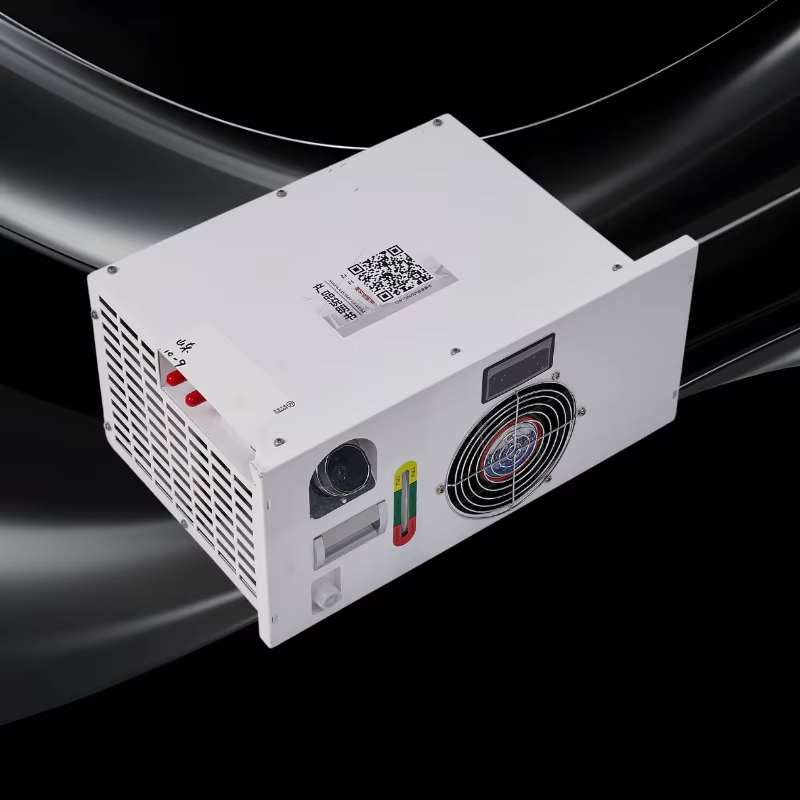
Water Chillers and Precision Cooling for Laser Heat Generation
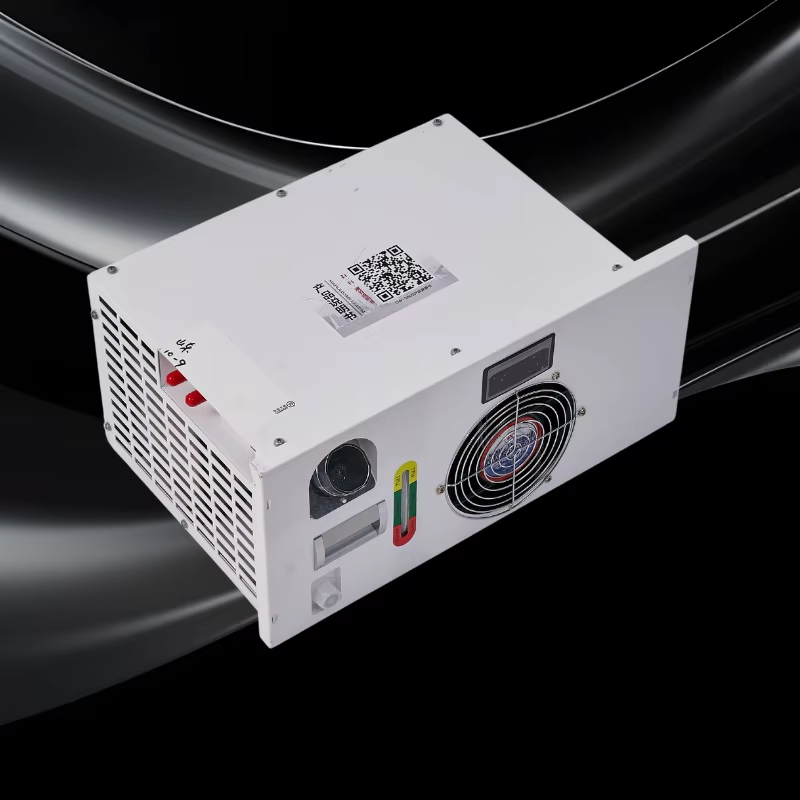
Thermal impact on laser beam quality and power stability
Powerful laser systems create quite a bit of heat inside their gain medium while running. If there's no good way to cool them down, all that heat builds up and messes with the beam quality through something called thermal lensing. Basically, the material changes how it bends light as it heats up, which makes the beam spread out instead of staying focused. Even small temperature swings beyond plus or minus 0.1 degree Celsius can throw off the wavelength and make the power output unstable, leading to less accurate cuts and engravings. Industry data shows that poor thermal control drops overall efficiency somewhere around 15 percent and wears out parts much faster than they should. That's why proper cooling solutions remain critical for maintaining both performance standards and equipment longevity in high power laser applications.
Optimal operating temperature range (20–25°C) and ±0.1°C control necessity
Maintaining coolant temperatures between 20–25°C with ±0.1°C accuracy is non-negotiable for industrial lasers. This narrow thermal band minimizes thermal stress on optical components while stabilizing photon emission. Deviations beyond this threshold cause:
- Beam quality degradation (M² factor increase 1.2)
- Power output variance exceeding 5%
- Premature tube failure rates rising by 30%
Precision water chillers achieve this through closed-loop recirculation and micro-adjustment compressors, ensuring wavelength consistency critical for micron-level applications.
Why Dedicated Water Chillers Outperform Ambient or Open-Loop Cooling
Limitations of tap water, reservoirs, and fan-based cooling for industrial lasers
Cooling industrial lasers is no small challenge when using regular ambient methods. Tap water brings all sorts of problems including temperature swings of about plus or minus 5 degrees Celsius throughout different seasons, plus minerals that build up inside laser tubes over time. Open reservoir setups aren't much better either since they lose water through evaporation and tend to grow bacteria pretty quickly. Fans for cooling just don't cut it once the surrounding temperature hits around 30 degrees Celsius, which happens frequently in most factory settings. This leads to issues with the laser beam quality and inconsistent power output. The problem comes down to precision control. Most standard cooling approaches can't keep things within the narrow window of 20 to 25 degrees Celsius that these lasers need to function properly. When this happens, there's a real risk of thermal runaway occurring, which can shorten the life of laser tubes by as much as 40 percent according to industry reports.
Closed-loop recirculation: consistent flow, pressure, and temperature control
Water chillers designed specifically for this purpose tackle those limitations with their engineered recirculation systems. These units keep coolant moving in a closed loop, maintaining temperature stability within about 0.1 degrees Celsius no matter what's going on around them. The built-in pumps deliver steady flow rates usually between 3 to 8 liters per minute and hold pressure somewhere between 15 and 60 pounds per square inch. This setup stops cavitation from happening, which can really mess up laser optics over time. What makes these chillers stand out is how they cut down on thermal stress for both CO2 lasers and fiber laser components. Plus, they use way less water too—about 95% less than traditional open-loop systems. For shops running high power lasers day in and day out, this means consistent results and almost no unexpected shutdowns, something that translates directly into better returns on investment when looking at long term costs.
Critical Protection Functions of a Laser Water Chiller
CO2 and Fiber Laser Tube Protection Against Thermal Stress and Premature Failure
Water chillers for lasers protect both CO2 and fiber laser tubes from heat damage by keeping coolant at just the right temperature. When things get too hot, the tubes start to wear out faster, which leads to power issues and sometimes complete breakdowns. Good cooling stops tiny cracks from forming in the glass parts and slows down the wearing away of electrodes, all of which means these expensive components last much longer. Industrial operations often spend over seven thousand five hundred dollars each year replacing damaged laser tubes when proper cooling isn't maintained. That makes having a good chiller system not just important but absolutely essential for anyone wanting to avoid costly replacements and downtime.
Integrated Safety Features: Low-Flow Alarm, Overheat Shutdown, and Condensation Prevention
Dedicated chillers incorporate multi-layered protection systems:
- Low-flow alarms halt operations if coolant circulation drops below 20 L/min, preventing dry-running damage
- Instant overheat shutdown triggers at 30°C+ to protect optics and electronics
-
Condensation control maintains coolant 5°C above ambient humidity thresholds
These automated responses mitigate 92% of thermal-related laser failures according to industrial maintenance reports. The closed-loop design ensures contaminants never enter sensitive components, unlike reservoir-based cooling.
Long-Term ROI: Reliability, Uptime, and Total Cost of Ownership
The initial investment for dedicated water chillers does run higher than standard cooling approaches, but this pays off over time as operations become much more efficient. Factories report way less unexpected downtime when they keep laser temps stable. We're talking about potential losses exceeding $740,000 per hour according to Ponemon Institute research from last year alone. Maintaining those exact temperatures stops components from failing unexpectedly. The bottom line? More consistent production runs mean steadier revenue streams for manufacturers. These chillers also help stretch out the life of laser tubes by around 30 to 50 percent, which means putting off those expensive replacements that can cost hundreds of thousands. Looking at Total Cost of Ownership makes sense too. Energy bills drop between 20 and 35% compared to air cooled alternatives, there's less wasted water, and no need to worry about filter maintenance anymore. All these factors stack up to real money saved. Temporary fixes always require someone watching them closely all day long, whereas proper chillers give businesses peace of mind knowing their $600k-$700k laser equipment remains protected without constant oversight.
FAQ
Why is precise cooling essential for powerful laser systems?
Precise cooling is crucial because it helps manage the heat generated by powerful lasers, ensuring that thermal lensing does not affect beam quality. It prevents efficiency drops and extends the lifespan of laser components.
What can happen if coolant temperatures deviate from the optimal range?
Deviations beyond the optimal range (20–25°C) can lead to beam quality degradation, power output variance, and premature tube failures. Maintaining this range is essential for the efficiency and longevity of laser systems.
How do dedicated water chillers compare to standard cooling methods?
Dedicated water chillers offer closed-loop recirculation, maintaining stable temperatures within ±0.1°C. They outperform standard methods like ambient cooling, which often fail to hold precise temperature ranges, risking thermal runaway and component damage.
What are the benefits of integrated safety features in laser water chillers?
Integrated safety features such as low-flow alarms, instant overheat shutdown, and condensation control help prevent damage and downtime, enhancing the reliability and uptime of laser operations.