 EN
EN


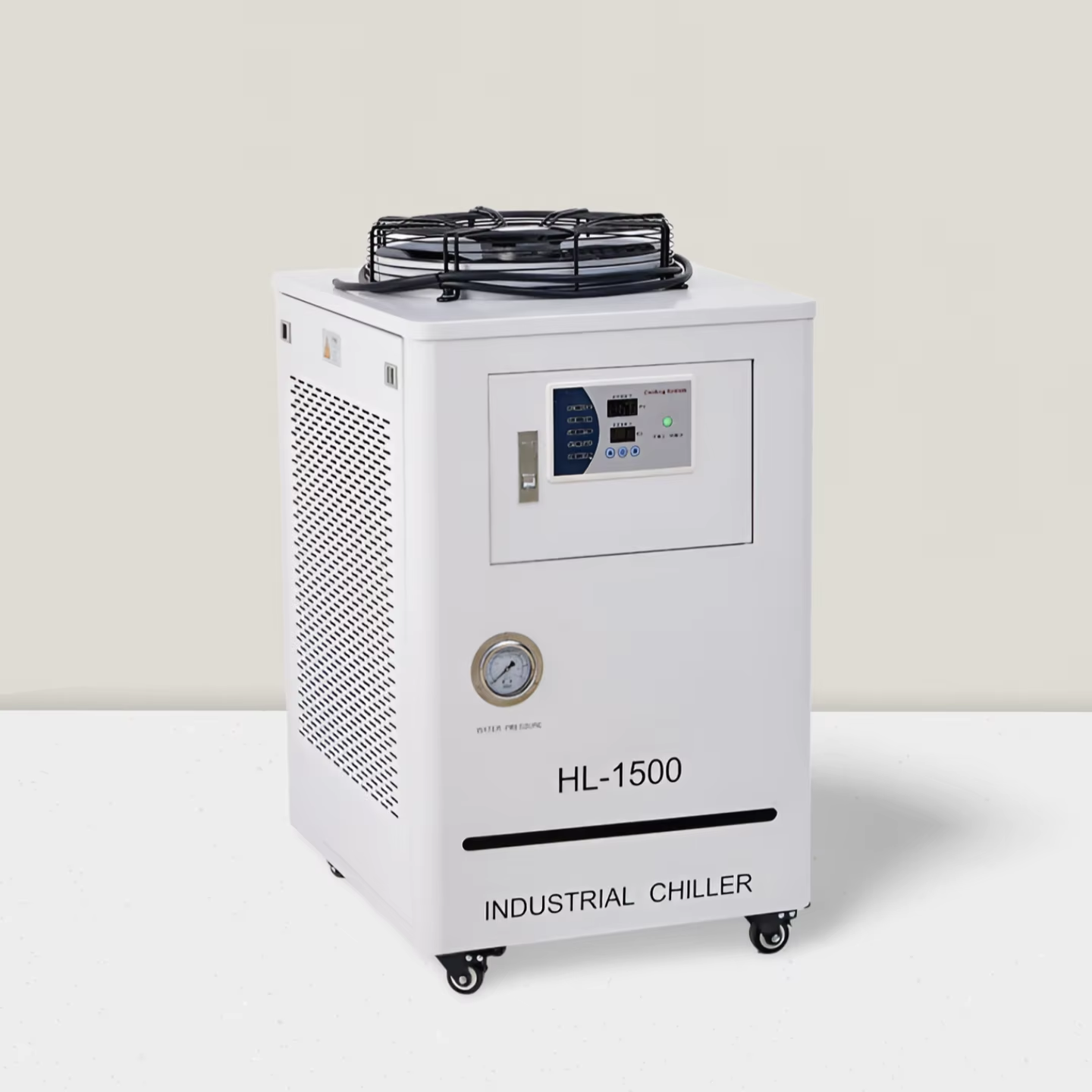
Thermal Instability and High-Temperature Alarms in Laser Machine Chillers
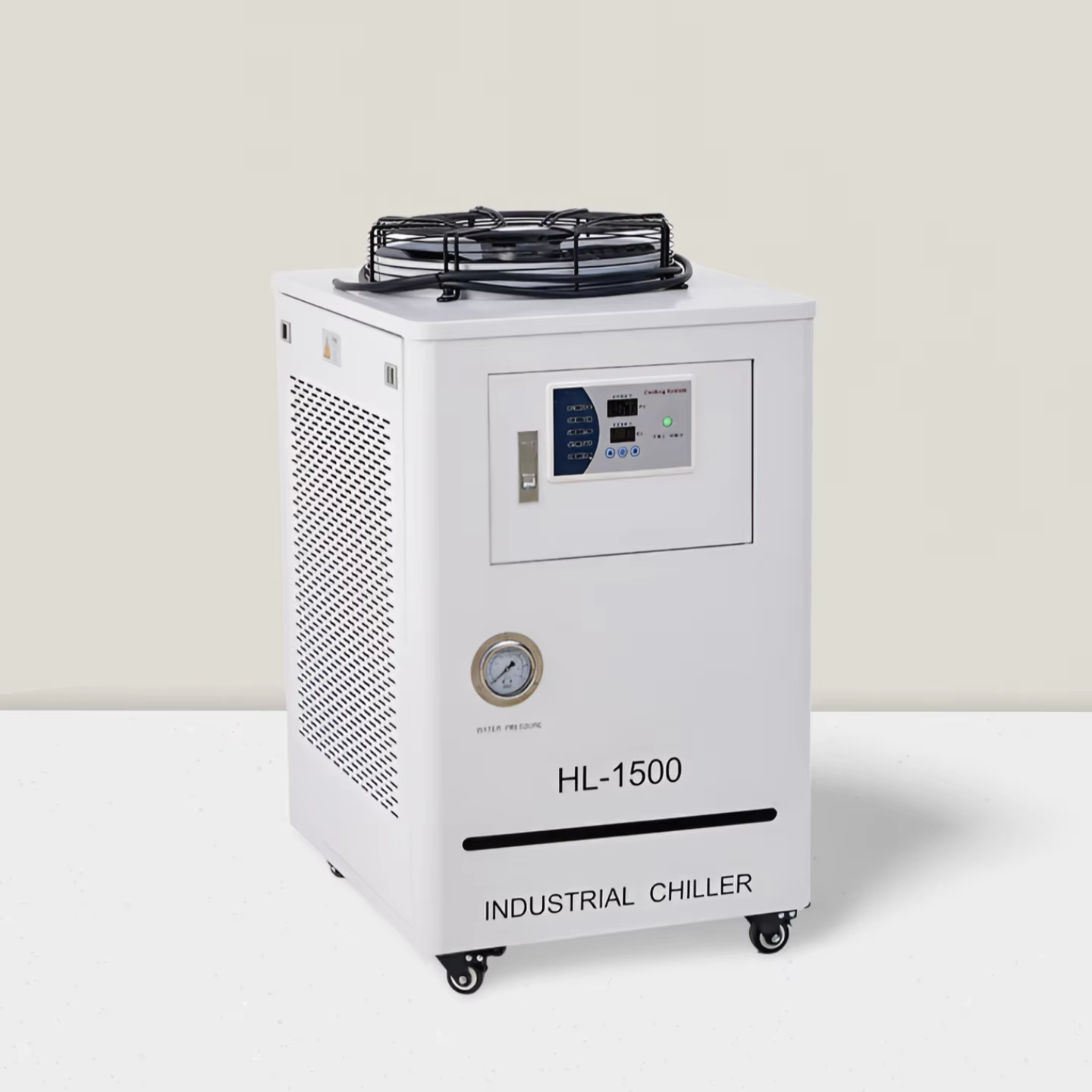
Root Causes: Sensor Drift, Condenser Fouling, and Flow Restrictions
Thermal instability in laser machine chillers frequently triggers high-temperature alarms—endangering laser tube integrity and compromising cutting precision. Three interrelated root causes dominate:
- Sensor drift, especially in RTD or thermistor-based temperature probes, generates false readings that lead to premature shutdowns or undetected overheating.
- Condenser fouling, typically from airborne dust and oil residue, reduces heat rejection efficiency by up to 40%, directly elevating coolant temperatures.
- Flow restrictions, caused by clogged filters, kinked tubing, or biofilm buildup, diminish circulation volume and velocity—increasing thermal stress on the laser head and chiller’s evaporator.
A 2023 industrial maintenance analysis found these three issues accounted for 68% of chiller-related failures across high-power laser facilities, with flow-related incidents alone contributing $740k in annual repair costs. Consistent calibration, scheduled filter replacement, and condenser cleaning mitigate risk and extend chiller service life by 2–3 years.
Case Study: Resolving Recurrent 45°C Alarms via Calibration & Maintenance
A leading industrial chiller manufacturer experienced recurring 45°C high-temperature alarms across 12 production sites—causing over 15 hours of monthly unplanned downtime. Root-cause diagnostics revealed sensor calibration errors in 80% of units and mineral-laden condenser coils in all affected systems. The resolution protocol included:
- Bi-monthly RTD sensor validation against NIST-traceable references
- Quarterly mechanical and chemical cleaning of condenser coils
- Flow rate verification using calibrated inline sensors
Within six months, alarm incidents dropped by 92%. This case affirms that in high-power laser applications—where thermal stability within ±0.5°C is essential—precision calibration and disciplined maintenance are non-negotiable operational safeguards.
Water Quality Degradation and Its Impact on Laser Machine Chiller Performance
Biofilm, Algae, and Mineral Scale: How Contaminated Water Compromises Efficiency and Lifespan
When water quality drops, it triggers three main problems in laser chillers: biofilm buildup, algae growth, and mineral scaling. Biofilms form when bacteria create sticky matrices on heat exchangers. These films can cut down thermal conductivity by about 20%, making compressors work harder and longer than normal. Algae tends to grow unchecked in systems too, blocking small filters and narrow coolant channels. This restricts water flow and speeds up corrosion processes. Mineral deposits mostly made of calcium carbonate and magnesium hydroxide also become a problem. They build up on evaporator tubes and around pump housings, acting like insulation that blocks proper heat transfer. All these issues together typically raise energy costs between 10% and 15%, while cutting down how long chillers last by anywhere from 3 to 7 years. Recent research from 2023 shows that nearly seven out of ten early chiller failures were connected to neglected or improperly maintained coolant systems.
Why Distilled or Deionized Water Is Essential for Corrosion and Scale Prevention
For closed loop laser chillers, distilled or deionized (DI) water isn't just recommended—it's essential. Regular tap water has TDS levels ranging from 50 to 500 ppm, while purified water maintains TDS under 5 ppm. This makes all the difference when it comes to preventing scale buildup and electrochemical corrosion issues. The low conductivity of DI water stops those annoying galvanic currents that happen where different metals meet, like copper tubes against stainless steel fittings. Plus, without organic nutrients floating around, microbial growth simply doesn't stand a chance. Keeping resistivity above 1 megaohm centimeter helps maintain chemical stability over time. According to recent industry reports from 2022, facilities switching to DI water saw about 40 percent fewer maintenance calls and their chillers lasted roughly 30 percent longer on average.
Critical Internal Failures: Compressor, Refrigerant, and Control Board Issues
Diagnosing Low-Cooling Capacity: Compressor Wear, Refrigerant Leaks, and PCB Malfunctions
Persistent low-cooling capacity points to one or more critical internal failures:
- Compressor mechanical wear: Bearing fatigue, valve leakage, or motor winding degradation reduce compression ratio and volumetric efficiency. Telltale signs include elevated discharge temperature, abnormal vibration, and amperage spikes exceeding nameplate rating by 15%. Compressor issues drive 40% of catastrophic chiller failures.
- Refrigerant leaks: Even micro-leaks erode system charge, diminishing latent heat absorption. Diagnostic indicators include frost or ice on evaporator inlet tubing, suction pressure below 45 PSI, and superheat values exceeding 15°F—especially when paired with low subcooling.
- PCB malfunctions: Faulty temperature sensors, relay contact welding, or power supply ripple on control boards cause erratic setpoint response or unexplained shutdowns. Codes like E3 (sensor fault) or E4 (communication error) often trace back to PCB-level component failure.
Accurate diagnosis requires thermal imaging, dual-pressure manifold testing, and electrical continuity checks—not symptom-based guesswork. Proactive oil analysis and control board voltage verification every 500 operating hours prevent 80% of avoidable compressor and control failures.
Water Flow Disruption: Pump Failures, Clogs, and Circulation Loss in Laser Machine Chillers
From Air Locks to Impeller Wear: Identifying and Resolving Flow Alarm Triggers
Flow disruption remains one of the most common—and misdiagnosed—causes of thermal instability in laser chillers. Three primary mechanisms trigger low-flow alarms and destabilize cooling:
- Pump failure, commonly from impeller erosion, bearing seizure, or capacitor degradation, can reduce flow by up to 70% before complete stall.
- Clogging—driven by mineral scale, biofilm, or particulate debris—constricts tubing cross-sections by up to 40%, increasing pressure drop and inducing cavitation.
- Air locks, often introduced during refills or due to inadequate venting, create vapor pockets that halt circulation and generate false low-flow signals.
Effective troubleshooting begins with:
- Comparing pump discharge pressure to OEM specifications
- Inspecting filters, strainers, and solenoid valves for visible blockage
- Systematic air bleeding at high-point vents
- Cross-referencing flow sensor output with calibrated inline meters
Keeping flow rates somewhere around 5 to 15 liters per minute helps maintain laminar flow inside those laser heads and keeps those pesky hot spots from forming. When it comes to fixing issues, swapping out worn impellers, running citric acid cleaning cycles, and adding those automatic air vent systems can cut down on unexpected shutdowns by about two thirds in most manufacturing setups. Want to check if everything's flowing properly? Look through the official recirculation system specs for details on how they test pressure compatibility across different equipment models.
Preventive Maintenance Protocols for Reliable Laser Machine Chiller Operation
Structured preventive maintenance is the most cost-effective safeguard against thermal failure in laser chillers. Key actions, aligned with OEM recommendations and field-proven reliability data, include:
- Monthly: Clean condenser fins and intake air filters using compressed air (<40 PSI) to maintain airflow and prevent thermal stacking.
- Every six months: Replace coolant with fresh distilled or deionized water—contaminated coolant degrades heat transfer efficiency by up to 30% annually and accelerates internal corrosion.
- Quarterly: Inspect electrical terminations for oxidation or looseness; verify refrigerant charge via pressure/temperature correlation; and validate temperature sensor accuracy against a calibrated reference.
- Annually: Engage certified technicians for compressor performance evaluation, PCB diagnostic scanning, and refrigerant oil analysis—early detection of wear patterns prevents cascading failures.
Facilities adhering to this tiered schedule report 40% longer chiller lifespans and near-elimination of thermal-related laser downtime—directly supporting consistent beam quality, dimensional accuracy, and ROI on high-power laser investments.
FAQ
What causes thermal instability in laser chillers?
Thermal instability is often caused by sensor drift, condenser fouling, and flow restrictions. These issues can result in high-temperature alarms and compromised laser cutting precision.
How important is water quality in laser machine chillers?
High-quality water is crucial for preventing biofilms, algae, and mineral scale, which can compromise efficiency and lifespan. Using distilled or deionized water helps prevent these issues.
What are the signs of critical internal failures in chillers?
Signs include persistent low-cooling capacity, abnormal vibration, elevated discharge temperatures, and unexpected shutdowns. These can result from compressor wear, refrigerant leaks, and PCB malfunctions.
How can flow disruptions in chillers be resolved?
Resolving flow disruptions involves checking pump pressure, clearing blockages, bleeding air from the system, and ensuring flow rates meet manufacturer specifications.
What preventive maintenance actions are recommended for chillers?
Regular maintenance includes cleaning condenser fins monthly, replacing coolant every six months, and performing annual evaluations by certified technicians to ensure reliable operation.
Table of Contents
- Thermal Instability and High-Temperature Alarms in Laser Machine Chillers
- Water Quality Degradation and Its Impact on Laser Machine Chiller Performance
- Critical Internal Failures: Compressor, Refrigerant, and Control Board Issues
- Water Flow Disruption: Pump Failures, Clogs, and Circulation Loss in Laser Machine Chillers
- Preventive Maintenance Protocols for Reliable Laser Machine Chiller Operation
- FAQ