 EN
EN


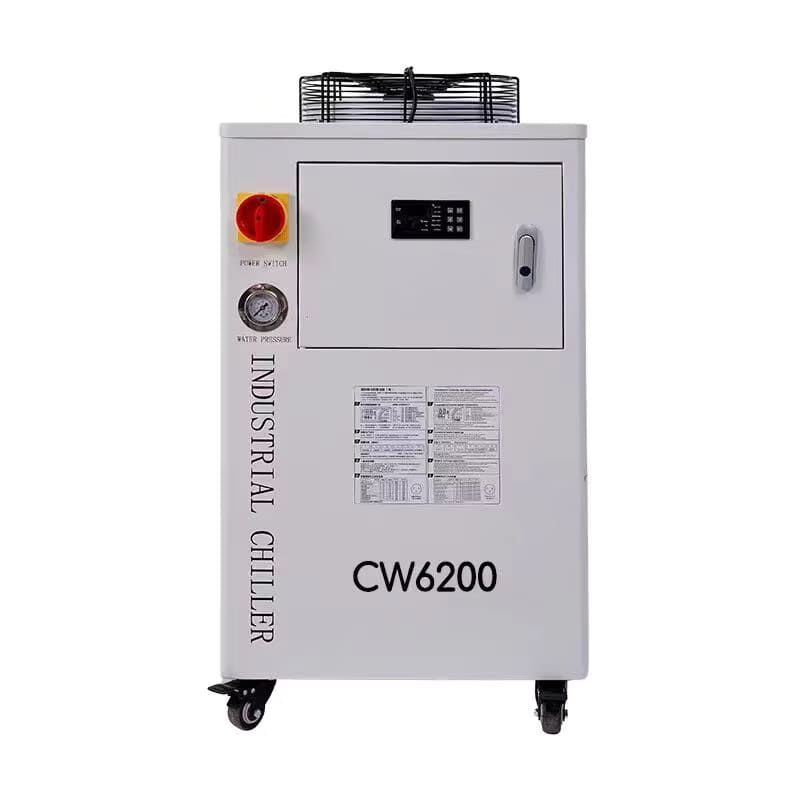
Reasons for CO2 Laser Overheating And Solutions Provided By A CO2 Laser Chiller
Common signs of CO2 laser tube overheating
Spotting the early warning signs when a CO2 laser tube starts getting too hot can save a lot of headaches down the road, both in terms of performance drops and expensive fixes later on. What should we be looking for? Well, first off, the beam quality tends to drop off, and the power output becomes all over the place instead of steady. Inside the machine, there's usually visible stress showing up on those internal parts from the heat buildup. Shop floor operators will notice things going wrong pretty quickly too - incomplete cuts are common, along with those nasty blackened edges around materials. The machines themselves start shutting down automatically more frequently as their thermal protection kicks in to prevent damage. All these problems lead to worse cutting accuracy, much slower work rates, and ultimately lower productivity across the whole production line.
How rising temperatures degrade beam quality and power output
If the working temperature goes above the ideal 15 to 25 degree Celsius window, things start going wrong inside the laser's discharge chamber. The molecules get too active, messing with the energy balance and spreading out the CO2 emission spectrum instead of keeping it focused. What happens next? Output power drops off, beams become erratic, and the machine struggles to maintain consistent focus points which directly affects how accurately cuts are made. Materials being worked on often suffer from overheating issues like burning edges, warped surfaces, or even partial melting when these temperature problems persist. Industry experience shows that running equipment beyond its temperature limits can cut down system reliability and precision by around 40 percent. Worse still, all those heat-related stresses speed up damage to delicate parts like lenses and circuit boards that don't handle extreme conditions well at all.
The role of real-time temperature monitoring in early detection
Monitoring temperatures in real time lets operators spot problems with cooling systems early on by keeping an eye on coolant temps, flow rates, and how hot those laser tubes get. Better systems will send out warnings the moment something goes outside normal ranges, so technicians can jump in before things really go south. Smart sensors work hand in hand with automatic shut down features to stop dangerous overheating situations. Plus, all this data gets saved over time for looking back at what might be causing ongoing issues. The whole setup keeps breakdowns at bay and makes it easier to catch those little problems that eat away at laser tube lifespan or mess up the quality of cuts made.
Diagnosing CO2 Laser Chiller Failures and Cooling System Weaknesses
Warning signs of failing CO2 laser chiller units
Spotting issues with chillers early can save a lot of headaches down the road and protect those expensive laser tubes from getting damaged. Watch out for things like coolant temps going all over the place, weird sounds coming from either the compressor or pump area, obvious leaks anywhere on the system, and when the alarm keeps going off repeatedly. When the cooling just isn't doing what it should anymore - taking forever to cool down after operation or struggling to hold onto temperature settings when there's actual work happening - that usually means something deeper is wrong. Most technicians still swear by thermal load tests as one of the best ways to check how much capacity a chiller really has left in it. These tests help find weak spots before they turn into complete breakdowns that shut everything down for days at a time.
How dirty air filters, old coolant, and reduced airflow impair efficiency
When air filters get dirty, they block airflow across those condenser coils, making the chiller strain to do its job while heat just builds up instead of escaping properly. Coolant that breaks down over time or gets mixed incorrectly starts losing its ability to transfer heat effectively. Worse still, it can turn acidic and eat away at parts inside the cooling system. All this leads to wild temperature swings in the system, something that really messes with laser beam quality and how much power actually makes it through. Keeping filters clean regularly and swapping out old coolant according to schedule isn't just good maintenance practice - it's absolutely necessary if we want chillers running at their best and downstream equipment staying intact for years to come.
Emerging trend: Smart chillers with self-diagnostic alerts for proactive maintenance
Today's chillers come equipped with internet-connected sensors and built-in software that keeps track of things like refrigerant pressure levels, how well the pumps are working, whether filters need replacing, and what the surrounding temperature looks like at any given moment. When something goes wrong - say there's a leak somewhere or a clog forms - these smart systems catch it early and send warnings so problems don't disrupt laser operations. The ability to predict when maintenance will be needed means fewer unexpected shutdowns, longer life for the machinery itself, and better quality outcomes from engraving jobs and cutting processes alike. Factories running around the clock have started embracing these smart cooling systems as standard equipment rather than optional upgrades, especially those dealing with precision manufacturing where downtime costs money and inconsistent results hurt customer satisfaction.
Water Quality and Flow: Critical Factors in Laser Cooling System Reliability
Low water flow and contaminated cooling water as hidden failure triggers
When water flows through a cooling system at less than the suggested rate of 5 to 15 liters per minute, problems start happening fast. Poor water quality is another big issue that leads to cooling system failures going unnoticed until it's too late. When there isn't enough water moving through, the system just can't transfer heat properly anymore. This means heat builds up inside those laser tubes, which gets really dangerous for equipment longevity. What happens next? Well, stuff starts accumulating in those tight little channels - think minerals, algae growing wild, all sorts of tiny particles. These buildups form layers that act like insulation, making the whole cooling process worse day by day while also eating away at metal components through corrosion. And don't forget about those small blockages either. They might seem harmless at first but over time they actually break down how well different parts make contact thermally. Eventually this creates hot spots that nobody wants to deal with, followed inevitably by sudden shutdowns that nobody sees coming.
Blockages in tubing and their disruption of thermal regulation
When debris builds up inside cooling lines, it blocks the even flow of water through the system, making it harder for heat to escape properly. Microchannel coolers face particular problems because they have such tiny internal channels that get clogged easily even with small amounts of dirt or particles. These blockages put extra stress on pumps, lead to hot spots forming in unexpected places, and mess up how temperature is controlled throughout the whole laser setup. If ignored, this kind of restriction will wear down components faster and eventually could cause serious equipment failures. To keep things running smoothly, regular checks and thorough cleaning of all coolant paths should be part of standard maintenance procedures. Most technicians recommend doing this at least once every three months depending on operating conditions.
Maintaining optimal cooling water temperature (15–25°C) for stable operation
Keeping things running between 15 and 25 degrees Celsius is pretty much necessary for good laser performance since it strikes that sweet spot between getting rid of excess heat without letting moisture build up anywhere. If temps drop too low in this range, we start seeing condensation form on those delicate optical components and electronic parts inside the machine. This moisture isn't just annoying either - it can lead to serious problems like short circuits or even rust developing over time. On the flip side, when temperatures climb past 25 degrees, the whole cooling system becomes less effective and puts constant strain on the actual laser tube itself. Most newer chillers come equipped with digital thermostats that do a decent job maintaining consistent temperatures, though nobody should forget about regular calibration checks. Even tiny temperature drifts might not seem like much at first glance, but they tend to slowly chip away at both cutting precision and the fine details achieved during engraving work.
Why some users still risk tap water despite manufacturer warnings
Many operators ignore manufacturer recommendations and opt for regular tap water instead of proper coolants just to cut corners on time or money. But here's the problem: tap water has all sorts of stuff in it - minerals, chlorine, even bits of organic material. These things will clump up and clog cooling conduits, reducing heat transfer efficiency, and obstructing water flow. These sediments also corrode metal fittings and seals, increasing leak risks, and expensive parts like laser tubes and pumps break down sooner. Short-term savings never compare to higher maintenance needs, shortened equipment lifespans, and unnecessary downtime. Using properly treated distilled water or deionized coolant easily avoids these challenges.
Long-Term Costs of Inadequate Cooling: Laser Lifespan and Operational Expenses
How poor cooling shortens CO2 laser tube lifespan
When lasers run too hot for too long, they start breaking down way before they should. The heat makes the glass envelopes expand, which throws off all those delicate internal optics and eats away at the electrodes faster than normal. What happens next is pretty bad too. All that heating and cooling back and forth creates tiny cracks in the glass and messes with the gas mix inside, so the laser just gets weaker over time. Eventually, these problems stack up until the tube simply won't work anymore and has to be replaced much sooner than planned. And let's face it, replacing laser tubes early means spending money that could have been saved with better cooling systems in place from the start.
Data insight: Up to 40% reduction in tube life due to inconsistent cooling (SPI Lasers, 2022)
According to research published in 2022 by SPI Lasers, when cooling isn't consistent it can cut down the life of CO2 laser tubes by as much as 40 percent. We've seen this happen repeatedly where laser tubes subjected to temperature changes exceeding plus or minus 2 degrees Celsius from what they should be experience much faster wear and tear. Field technicians report these tubes often fail within just 12 to 18 months rather than lasting the normal 3 to 5 year period. What's really interesting is how small temperature variations over time actually build up into serious problems. Maintaining steady cooling conditions turns out to be absolutely critical if companies want their lasers to last longer and deliver better value for money spent on equipment purchases.
Increased maintenance costs from repeated thermal stress and component wear
In addition to replacing tubes, poor cooling really adds to operational costs because it causes a chain reaction of component breakdowns. The power supplies get damaged, mirrors warp, lenses cloud up, and pumps start failing after being subjected to constant heat stress. We've seen from maintenance logs across various industries that machines without adequate cooling require about 30 percent more service calls compared to those kept at optimal temperatures. And when we look at what these problems actually cost businesses money-wise, including repairs, downtime during fixes, and having to replace equipment earlier than planned, the overall expense for systems with bad cooling ends up being somewhere around three and a half times higher than for properly maintained ones. That's a huge difference over time.
Best Practices for CO2 Laser Cooling System Maintenance and Troubleshooting
Essential cooling system maintenance checklist for peak performance
Regular maintenance can stop around 80-85% of those pesky cooling system problems before they happen. Create a maintenance plan that works for your setup. Check coolant levels and look at hose connections every day. Once a week, inspect filters and see how the pumps are running. Monthly tasks should include cleaning heat exchangers and making sure sensors are properly calibrated. The busier the equipment runs, the closer attention it needs. Machines working nonstop during peak seasons will obviously need more frequent checks than ones used sporadically. Keep records of everything done. These notes help spot patterns over time and figure out when certain components might be approaching their limits. Good record keeping also saves money in the long run by catching small issues before they turn into expensive repairs.
When and how to replace laser coolant and clean filtration components
Coolant should be replaced roughly every six to twelve months, though this can vary based on how much the equipment runs and what kind of environment it's in. When mixing up new coolant, stick strictly to distilled or deionized water combined with those special additives against corrosion and biological growth that the manufacturer recommends. For refilling, start by completely draining out whatever's left in the system first. Give it a good rinse through with just plain clean distilled water before putting in the fresh mixture. Filter cartridges need replacing about every three to six months too, or sooner if there are signs of blockage from pressure differences across the filter. Don't forget to clean out those filter housing units whenever changing filters. Leftover biofilms and mineral deposits build up over time and not only slow down fluid flow but also create breeding grounds for all sorts of unwanted stuff inside the system.
Step-by-step troubleshooting for leaks, pump failures, and sensor errors
Start with figuring out which part of the system is causing trouble. When looking at leaks, pressurize the closed loop system and watch how the pressure changes over time. Sometimes it helps to use UV dye to spot those tiny little escape points that aren't obvious at first glance. Most pump problems come down to electrical issues so check the voltage coming into the system before anything else. After confirming power is good, look at how the impeller moves and listen for any strange noises coming from the bearings. If there's suspicion about sensors giving wrong readings, cross check them against a properly calibrated thermometer. Keep detailed records of everything discovered during troubleshooting along with what fixes were applied. Patterns that keep showing up across multiple incidents usually point to bigger problems in the overall system design rather than just random breakdowns, which can help inform better decisions when planning equipment upgrades or making design changes later on.
FAQ
What are the signs of a CO2 laser tube overheating?
Common symptoms include a decrease in beam quality, unstable power output, visible stress on internal parts, incomplete cuts, blackened edges on materials, and frequent automatic shutdowns of the machines.
How does high temperature affect CO2 laser performance?
High temperatures cause molecules in the discharge chamber to become overly active, which disrupts the energy balance and CO2 emission spectrum, leading to power drops and erratic beam behavior, affecting cutting accuracy and the quality of the materials processed.
Why is real-time temperature monitoring important for CO2 laser systems?
Real-time temperature monitoring helps detect problems with cooling systems early by keeping track of critical metrics like coolant temperatures and flow rates, thereby preventing dangerous overheating situations and prolonging laser tube lifespan.
How can dirty air filters and old coolant impair a CO2 laser system's efficiency?
Dirty air filters block airflow and cause the system to strain. Old or improperly mixed coolants lose their ability to transfer heat effectively and can become acidic, damaging internal parts and affecting beam quality and power transmission.
What are smart chillers and how do they improve CO2 laser operations?
Smart chillers equipped with internet-connected sensors and software track essential parameters like refrigerant pressure and pump performance, issuing early warnings and predictive maintenance alerts that prevent unexpected shutdowns and enhance machinery lifespan and quality outcomes.
What is the recommended water flow rate for CO2 laser cooling systems?
The recommended water flow rate is between 5 to 15 liters per minute to ensure proper heat transfer and prevent heat buildup inside laser tubes, thereby maintaining equipment longevity.
Why is it risky to use tap water in laser cooling systems?
Tap water contains minerals, chlorine, and organic materials that can accumulate and clog cooling conduits, reducing heat transfer efficiency and leading to corrosion and shorter equipment lifespans.
How does poor cooling affect CO2 laser tube lifespan?
Poor cooling leads to excessive heat exposure, causing glass envelopes to expand and resulting in cracks, disrupted gas mixes, and weakened laser performance, reducing tube lifespan by up to 40% according to industry research.
Table of Contents
- Reasons for CO2 Laser Overheating And Solutions Provided By A CO2 Laser Chiller
- Diagnosing CO2 Laser Chiller Failures and Cooling System Weaknesses
- Water Quality and Flow: Critical Factors in Laser Cooling System Reliability
- Long-Term Costs of Inadequate Cooling: Laser Lifespan and Operational Expenses
- Best Practices for CO2 Laser Cooling System Maintenance and Troubleshooting
-
FAQ
- What are the signs of a CO2 laser tube overheating?
- How does high temperature affect CO2 laser performance?
- Why is real-time temperature monitoring important for CO2 laser systems?
- How can dirty air filters and old coolant impair a CO2 laser system's efficiency?
- What are smart chillers and how do they improve CO2 laser operations?
- What is the recommended water flow rate for CO2 laser cooling systems?
- Why is it risky to use tap water in laser cooling systems?
- How does poor cooling affect CO2 laser tube lifespan?